Oh no! Chocolate has met your car seat! We've all been there – a rogue piece of candy, a melty ice cream cone, or a forgotten chocolate bar can leave a sticky, messy surprise on your car's interior. Don't panic! Removing chocolate from a car seat might seem daunting, but with the right tools and techniques, you can restore your car seat to its former glory. This guide will walk you through the process step-by-step, ensuring a chocolate-free ride every time. How to Remove Chocolate Stains from Car Seats : A Comprehensive Guide Getting chocolate out of your car seat involves a multi-pronged approach, addressing both the solid residue and the greasy stain it leaves behind. The sooner you tackle the stain, the easier it will be to remove. Remember to always test any cleaning solution on an inconspicuous area of the car seat first to ensure it doesn't damage or discolor the fabric. Step 1: Gather Your Supplies for Chocolate Removal Before you ...
That musty smell hitting you every time you open your car door? Chances are, you've got mold. Don't panic! It's more common than you think, and with a little elbow grease and the right approach, you can banish that mold and get your car smelling fresh again. This guide will walk you through the entire process of cleaning mold from your car, ensuring a safe and effective removal.
Understanding Mold in Your Car
Mold in your car isn't just an unpleasant smell; it can also pose health risks. Mold spores, when inhaled, can cause allergic reactions, respiratory problems, and other health issues, especially for individuals with pre-existing conditions like asthma or allergies. Understanding why mold thrives in cars and the different types of mold you might encounter is crucial for effective removal and prevention.
Why Mold Thrives in Cars
Mold loves dark, damp environments, and unfortunately, cars can often provide just that. Spills, leaks, and even humid weather can create the perfect breeding ground for mold. Here's a breakdown of common causes:
- Spilled drinks or food: Liquids, especially sugary ones, are a feast for mold.
- Water leaks: Check for leaks around windows, sunroofs, and doors. Even a small, persistent leak can create a significant mold problem.
- High humidity: Condensation from air conditioning or simply living in a humid climate can lead to moisture buildup inside the car.
- Wet clothing or items left in the car: Damp towels, gym clothes, or even an umbrella can introduce moisture.
- Clogged drainage system: The AC system usually has a drainage pipe to remove condensation. If it is blocked, it becomes the perfect environment for mold.
Types of Mold You Might Find
While identifying the exact species of mold requires professional testing, knowing the common types can help you gauge the severity of the problem. Some common types include:
- Cladosporium: One of the most common types of mold, often found on plant matter and damp surfaces.
- Aspergillus: Another prevalent mold, known for its allergenic properties.
- Penicillium: Commonly found on food and can also grow in damp indoor environments.
- Stachybotrys chartarum (Black Mold): While less common, black mold is the most concerning due to its potential to produce mycotoxins. If you suspect black mold, consider professional remediation.
Remember, regardless of the type of mold, prompt and thorough cleaning is essential to prevent further growth and protect your health.
Preparing to Clean Mold from Your Car
Before you jump into cleaning, proper preparation is key to ensuring your safety and maximizing the effectiveness of your mold removal efforts. This includes gathering the necessary supplies, taking safety precautions, and preparing your car for the cleaning process.
Gathering Your Supplies
Having the right tools and cleaning solutions on hand will make the job much easier and more effective. Here's a checklist of essential supplies:
- Protective Gear:
- Gloves: To protect your skin from mold and cleaning solutions.
- Mask: An N95 or higher respirator mask to prevent inhaling mold spores.
- Eye Protection: Goggles or safety glasses to shield your eyes from splashes.
- Cleaning Solutions:
- Mild Soap and Water: For general cleaning.
- Vinegar: White vinegar is a natural disinfectant and mold killer.
- Baking Soda: A natural deodorizer and mild abrasive.
- Commercial Mold Remover: Choose a product specifically designed for mold removal in cars. Always test in an inconspicuous area first!
- Cleaning Tools:
- Vacuum Cleaner with HEPA filter: A HEPA filter is crucial for capturing mold spores.
- Stiff-bristled brush: For scrubbing moldy areas.
- Microfiber cloths: For wiping surfaces clean.
- Spray bottles: For applying cleaning solutions.
- Detailing brushes: Small brushes for hard-to-reach areas.
- Optional Supplies:
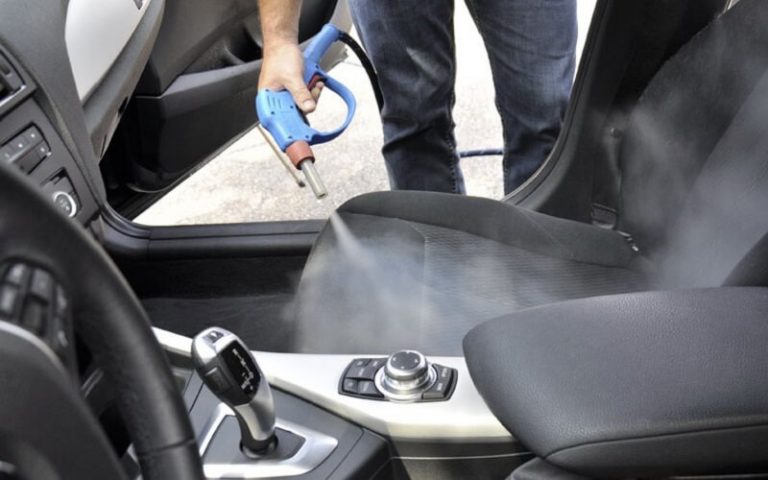
- Steam cleaner: Can be helpful for deep cleaning upholstery and carpets.
- Ozone generator: For eliminating lingering odors (use with caution and follow manufacturer's instructions).
Taking Safety Precautions
Mold exposure can be harmful, so it's essential to protect yourself during the cleaning process. Here are some crucial safety tips:
- Work in a well-ventilated area: Open all car doors and windows to allow for airflow. If possible, work outdoors.
- Wear protective gear: Always wear gloves, a mask, and eye protection.
- Avoid direct contact with mold: Do not touch mold with bare hands.
- Wash your hands thoroughly: After cleaning, wash your hands with soap and water.
- Dispose of contaminated materials properly: Seal contaminated cloths and sponges in a plastic bag before disposing of them.
Preparing Your Car
Before you start cleaning, take a few minutes to prepare your car. This will make the cleaning process more efficient and effective.
- Remove all personal belongings: Take out any items that are not permanently attached to the car, such as floor mats, seat covers, and personal items.
- Vacuum the entire interior: Use a vacuum cleaner with a HEPA filter to remove loose dirt, debris, and as many mold spores as possible. Pay close attention to carpets, upholstery, and vents.
- Identify all areas affected by mold: Carefully inspect the interior of your car to identify all areas where mold is present. Take note of the severity of the mold growth in each area.
The Mold Cleaning Process: Step-by-Step
Now that you've gathered your supplies, taken safety precautions, and prepared your car, it's time to tackle the mold. Here's a step-by-step guide to cleaning mold from your car, breaking down each area and providing detailed instructions.
Cleaning Hard Surfaces
Hard surfaces like the dashboard, door panels, and plastic trim are generally easier to clean than upholstery or carpets. Here's how to clean mold from these surfaces:
- Vacuum the surface: Use the vacuum cleaner with a HEPA filter to remove any loose mold spores and debris.
- Prepare your cleaning solution: You can use a mixture of mild soap and water, diluted vinegar (1 part vinegar to 1 part water), or a commercial mold remover. Always test in an inconspicuous area first!
- Apply the cleaning solution: Spray the cleaning solution onto a microfiber cloth, not directly onto the surface.
- Wipe the surface: Gently wipe the affected area with the damp cloth. Use a stiff-bristled brush to scrub any stubborn mold.
- Rinse the surface: Wipe the surface with a clean, damp cloth to remove any residue from the cleaning solution.
- Dry the surface: Use a clean, dry microfiber cloth to dry the surface thoroughly. You can also use a fan or dehumidifier to speed up the drying process.
Cleaning Upholstery and Carpets
Cleaning mold from upholstery and carpets requires more effort, as these materials are porous and can trap mold spores. Here's a detailed guide:
- Vacuum thoroughly: Use the vacuum cleaner with a HEPA filter to vacuum the entire area, paying close attention to seams and crevices.
- Prepare your cleaning solution: You can use a mixture of mild soap and water, diluted vinegar (1 part vinegar to 1 part water), or a commercial mold remover specifically designed for upholstery and carpets. Again, test in an inconspicuous area first!
- Apply the cleaning solution: Spray the cleaning solution sparingly onto the affected area. Avoid soaking the material.
- Scrub the area: Use a stiff-bristled brush to scrub the area gently. Work the cleaning solution into the fibers of the upholstery or carpet.
- Extract the moisture: Use a wet/dry vacuum cleaner or a carpet cleaner to extract as much moisture as possible from the area. This is crucial to prevent mold from returning.
- Dry the area thoroughly: Use a fan, dehumidifier, or open car doors and windows to dry the area completely. This may take several hours or even a day or two.
- Repeat if necessary: If the mold is still visible after drying, repeat the cleaning process.
Cleaning the Ventilation System
Mold can also grow in your car's ventilation system, leading to that musty smell and potentially spreading spores throughout the car. Here's how to clean the ventilation system:
- Remove the cabin air filter: Locate the cabin air filter (usually behind the glove compartment) and remove it. Replace it with a new filter.
- Spray an antimicrobial cleaner: Purchase an antimicrobial cleaner specifically designed for car ventilation systems. Follow the product's instructions for use. Typically, you will spray the cleaner into the air intake vents while the car's ventilation system is running.
- Run the ventilation system: Run the ventilation system on high with the air conditioning on for at least 15 minutes to circulate the cleaner throughout the system.
- Air out the car: Open all car doors and windows to air out the car for several hours after cleaning the ventilation system.
Preventing Mold from Returning to Your Car
Cleaning mold is just the first step. To prevent it from returning, you need to address the underlying causes and take preventative measures. Here are some tips:
Addressing the Source of Moisture
The most important step in preventing mold is to eliminate the source of moisture. Here are some areas to investigate:
- Check for leaks: Inspect windows, sunroofs, and doors for leaks. Repair any leaks promptly.
- Dry wet spills immediately: Clean up any spills as soon as they occur.
- Avoid leaving wet items in the car: Don't leave wet clothing, towels, or umbrellas in the car.
- Ensure proper ventilation: Open windows or use the air conditioning to circulate air and reduce humidity.
- Check AC drain pipe: Make sure that the AC condensation drain pipe isn't blocked. You can clear this with a wire brush to make sure water drips freely.
Maintaining a Clean and Dry Interior
Regular cleaning and maintenance can help prevent mold growth. Here are some tips:
- Vacuum regularly: Vacuum the interior of your car regularly to remove dirt, debris, and potential mold spores.
- Use floor mats: Floor mats can help protect your carpets from spills and moisture.
- Consider using a dehumidifier: If you live in a humid climate, consider using a dehumidifier in your car to reduce moisture levels. Small, portable car dehumidifiers are available.
- Regularly clean and condition leather seats: Leather seats should be cleaned with a leather cleaner and conditioned to prevent cracking, which can trap moisture and lead to mold.
- Park in the shade when possible: Parking in the shade can help reduce the temperature and humidity inside your car.
Utilizing Mold-Resistant Products
Consider using mold-resistant products in your car to further protect against mold growth. Some options include:
- Mold-resistant sprays: Apply a mold-resistant spray to carpets, upholstery, and other surfaces. Always test in an inconspicuous area first!
- Mold-resistant floor mats: Use floor mats made from mold-resistant materials.
When to Call a Professional for Car Mold Removal
While this guide provides a comprehensive approach to cleaning mold from your car, there are situations where professional help is necessary. Don't hesitate to call in the experts if:
- The mold infestation is extensive: If mold covers a large area or is deeply embedded in the car's interior, professional remediation is recommended.
- You suspect black mold: If you suspect the presence of black mold (Stachybotrys chartarum), professional testing and removal are crucial due to its potential health risks.
- You have health concerns: If you experience allergic reactions, respiratory problems, or other health issues related to mold exposure, consult a doctor and seek professional mold remediation.
- You've tried cleaning and the mold returns: If you've followed the steps in this guide and the mold continues to reappear, a professional can identify and address the underlying moisture source and provide more effective treatment.
Professional mold remediation services typically involve:
- Thorough inspection and testing: Professionals will identify the type of mold and assess the extent of the infestation.
- Containment: They will contain the affected area to prevent mold spores from spreading to other parts of the car.
- Removal and cleaning: They will use specialized equipment and cleaning solutions to remove the mold and clean the affected surfaces.
- Moisture control: They will address the underlying moisture source to prevent future mold growth.
- Odor removal: They will use ozone generators or other methods to eliminate lingering odors.
Final Thoughts on Removing Mold From Cars
Cleaning mold from your car might seem daunting, but with the right knowledge and tools, it's a manageable task. Remember to prioritize your safety, thoroughly clean all affected areas, and take steps to prevent mold from returning. By following the tips in this guide, you can restore your car to a clean, healthy, and fresh-smelling environment. If in doubt, or if the problem is too big, don't hesitate to consult a professional. A healthy car is a happy car!