Oh no! Chocolate has met your car seat! We've all been there – a rogue piece of candy, a melty ice cream cone, or a forgotten chocolate bar can leave a sticky, messy surprise on your car's interior. Don't panic! Removing chocolate from a car seat might seem daunting, but with the right tools and techniques, you can restore your car seat to its former glory. This guide will walk you through the process step-by-step, ensuring a chocolate-free ride every time. How to Remove Chocolate Stains from Car Seats : A Comprehensive Guide Getting chocolate out of your car seat involves a multi-pronged approach, addressing both the solid residue and the greasy stain it leaves behind. The sooner you tackle the stain, the easier it will be to remove. Remember to always test any cleaning solution on an inconspicuous area of the car seat first to ensure it doesn't damage or discolor the fabric. Step 1: Gather Your Supplies for Chocolate Removal Before you ...
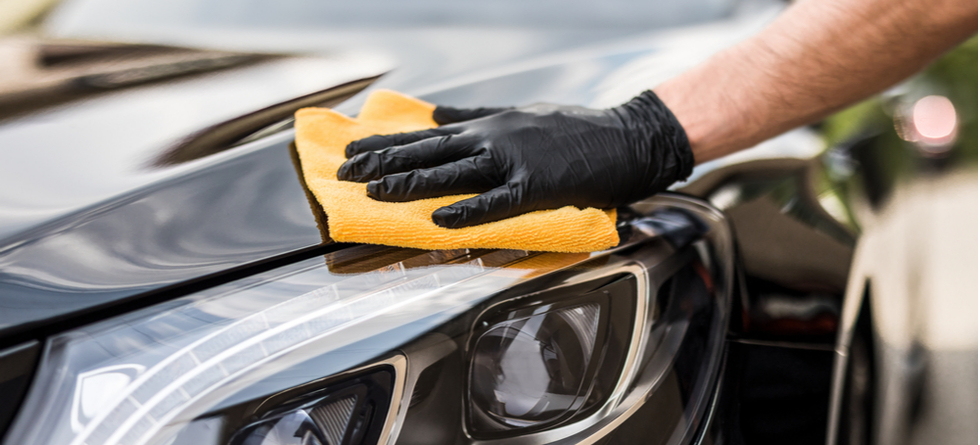
That shimmering, mirror-like finish on a freshly waxed car is more than just aesthetically pleasing. It's a shield against the elements, protecting your paint job from the sun, rain, and all the other daily grime that life throws its way. But how much does this crucial car care step actually cost? Let's dive into the world of car waxing and explore the factors that influence the price tag.
How Much Does it Cost to Wax a Car? A Breakdown
The simple answer? It varies. Thecost to wax a car can range anywhere from $50 to $200 or more, depending on several key aspects. This price range reflects the diversity of options available, from DIY projects using readily available products to professional detailing services that offer unparalleled results. Let's explore the elements that influence these variations.
DIY Car Waxing: A Budget-Friendly Option
For the budget-conscious car owner, DIY waxing is an attractive alternative. The initial investment involves purchasing the necessary supplies, which typically include car wax, applicators, and microfiber towels. A quality car wax can cost between $15 and $50, while applicators and towels can add another $10 to $20. So, you're looking at an upfront expense of $25 to $70.
The key advantage of DIY waxing is the long-term cost savings. Once you have the supplies, you can wax your car multiple times without incurring additional expenses. Plus, there's a sense of satisfaction in knowing you're taking care of your vehicle yourself. However, DIY waxing requires time, effort, and a degree of skill. Improper application can lead to streaks, swirls, or even damage to the paint. It's crucial to research the proper techniques and follow the instructions carefully.
Consider the following when deciding to wax a car yourself:
- Time Commitment: Waxing can take several hours, including washing, drying, and applying the wax.
- Skill Level: Proper technique is crucial to avoid damaging the paint.
- Product Knowledge: Understanding the different types of wax and their properties is essential for choosing the right product for your car.
Here's an example of the potential cost breakdown of waxing your car on your own:
| Item | Estimated Cost |
|---|---|
| ------------- | :-------------: |
| Car Wax | $20 - $50 |
| Applicator Pads | $5 - $10 |
| Microfiber Towels | $5 - $10 |
| Total | $30 - $70 |
Professional Car Waxing Services: Expertise and Convenience
If you're short on time or prefer to leave the job to the experts, professional car waxing services are a great option. Theprice of waxing a car professionally varies depending on the detailer's experience, the type of wax used, and the size of the vehicle. Generally, you can expect to pay between $50 and $200 or more.
The benefits of professional waxing extend beyond convenience. Professional detailers have the knowledge, experience, and equipment to achieve a superior finish. They can identify and address any paint imperfections before waxing, ensuring optimal results. They also use high-quality waxes and sealants that provide longer-lasting protection.
When choosing a professional car waxing service, consider the following:
- Reputation: Read online reviews and ask for recommendations from friends or family.
- Experience: Look for a detailer with a proven track record of quality work.
- Services Offered: Inquire about the types of wax used, the application process, and any additional services included.
- Price: Compare prices from different detailers to ensure you're getting a fair deal.
Factors Affecting the Price of Professional Car Waxing
Several factors can influence thecost to professionally wax a car. These include:
- Vehicle Size: Larger vehicles typically require more wax and labor, resulting in higher prices.
- Type of Wax: Premium waxes, such as carnauba wax, tend to be more expensive than synthetic waxes.
- Paint Condition: If the paint has significant scratches, swirl marks, or oxidation, the detailer may need to perform additional paint correction services, which will increase the overall cost.
- Service Package: Some detailers offer comprehensive detailing packages that include waxing along with other services, such as interior cleaning, engine detailing, and headlight restoration. These packages are generally more expensive than stand-alone waxing services.
- Location: Prices may vary depending on the location of the detailing shop. Metropolitan areas tend to have higher prices than rural areas.
Different Types of Car Wax and Their Impact on Cost
The type of car wax used significantly impacts the finalwax car cost. Here's a brief overview of the common types:
- Carnauba Wax: Known for its deep shine and protective properties, carnauba wax is a natural wax derived from the carnauba palm tree. It's considered a premium wax and typically commands a higher price.
- Synthetic Wax: Synthetic waxes are man-made formulations that offer excellent durability and protection. They are often more affordable than carnauba wax and can provide a longer-lasting shine.
- Paste Wax: Paste waxes are applied manually and offer a deep, rich shine. They tend to be more labor-intensive to apply than liquid waxes but provide excellent results.
- Liquid Wax: Liquid waxes are easy to apply and spread, making them a popular choice for DIYers. They offer good protection and shine at an affordable price.
- Spray Wax: Spray waxes are the quickest and easiest to apply, making them ideal for quick touch-ups and maintenance. They offer limited protection but can enhance the shine of existing wax coatings.
Long-Term Cost Considerations: Waxing vs. Paint Protection Film (PPF)
While waxing is a relatively inexpensive way to protect your car's paint, it's not the only option. Paint Protection Film (PPF) is a clear, self-healing film that is applied to the vehicle's exterior to protect it from scratches, chips, and other damage. PPF is a more expensive option than waxing, but it offers superior protection and can last for several years. While the upfrontwax my car cost is lower, it needs to be reapplied multiple times per year.
Here's a comparison of waxing and PPF:
| Feature | Waxing | Paint Protection Film (PPF) |
|---|---|---|
| --- | --- | --- |
| Cost | $50 - $200 per application | $1,000 - $5,000 (initial installation) |
| Durability | Weeks to months | Years |
| Protection | Protects against UV rays, light scratches, and water spots | Protects against scratches, chips, and other damage |
| Maintenance | Requires regular reapplication | Minimal maintenance required |
Choosing between waxing and PPF depends on your budget, priorities, and driving habits. If you're looking for an affordable way to protect your car's paint from everyday wear and tear, waxing is a great option. However, if you want the ultimate protection against scratches, chips, and other damage, PPF is a worthwhile investment.
Conclusion: So, How Much to Wax a Car?
Ultimately, thecost of car waxing is determined by your choice between DIY and professional services, the type of wax used, and the size and condition of your vehicle. By understanding these factors, you can make an informed decision that aligns with your budget and needs. Whether you opt for the hands-on approach of DIY waxing or the expertise of a professional detailer, keeping your car properly waxed is a worthwhile investment that will protect its paint and maintain its value for years to come.