Oh no! Chocolate has met your car seat! We've all been there – a rogue piece of candy, a melty ice cream cone, or a forgotten chocolate bar can leave a sticky, messy surprise on your car's interior. Don't panic! Removing chocolate from a car seat might seem daunting, but with the right tools and techniques, you can restore your car seat to its former glory. This guide will walk you through the process step-by-step, ensuring a chocolate-free ride every time. How to Remove Chocolate Stains from Car Seats : A Comprehensive Guide Getting chocolate out of your car seat involves a multi-pronged approach, addressing both the solid residue and the greasy stain it leaves behind. The sooner you tackle the stain, the easier it will be to remove. Remember to always test any cleaning solution on an inconspicuous area of the car seat first to ensure it doesn't damage or discolor the fabric. Step 1: Gather Your Supplies for Chocolate Removal Before you ...
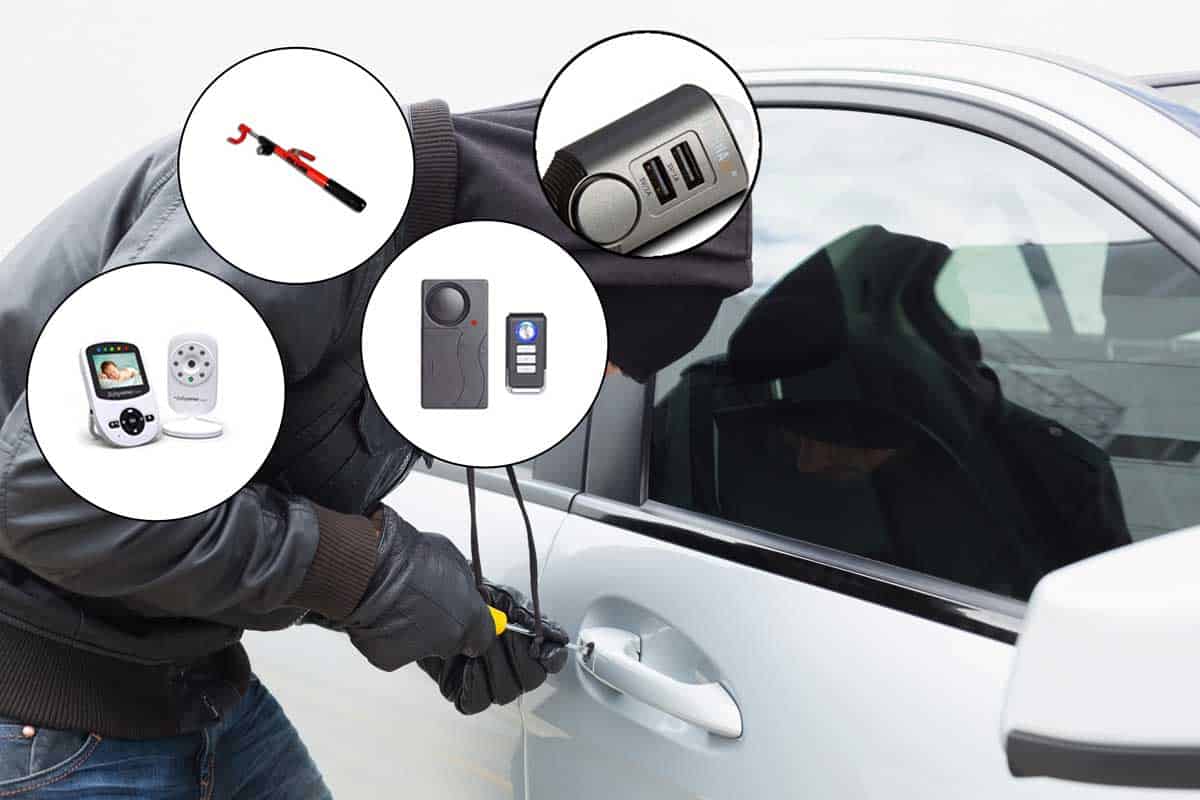
Finding your car window smashed and your belongings gone is a truly awful feeling. It's more than just the inconvenience; it's the violation of your personal space and the sense of security that vanishes. Nobody wants to experience that, and the good news is, there are definitely steps you can take to significantly reduce the risk of becoming a victim. Let's explore some practical and effective ways to keep your car safe from break-ins.
Understand the Risk: Why Car Break-Ins Happen
Before diving into prevention, it's helpful to understand what attracts thieves to cars in the first place. Understanding the motivations and common targets will help you make smart decisions about protecting your vehicle and belongings. Here's a breakdown of key factors:
- Visible valuables: The most obvious reason. Leaving smartphones, laptops, purses, wallets, or even spare change in plain sight is like inviting a break-in.
- "Smash and grab" is Quick and Easy: Thieves often target cars they can break into quickly and easily.
- Easy Targets: Parked cars in poorly lit areas, isolated spots, or areas known for high crime rates are more vulnerable.
- Perception of Wealth: Even if you haven't left valuables in plain sight, thetypeof car you drive can be a factor. Luxury vehicles might be seen as more likely to contain expensive electronics or other items.
- Unlocked Doors: A startling number of car break-ins happen simply because the car was left unlocked. It sounds basic, but it's a crucial reminder.
Beyond these immediate triggers, thieves often operate based on opportunity. They look for situations where the risk of getting caught is low and the potential reward is high, so in order toprevent car break ins, you must limit the opportunities.
Practical Steps:How To Prevent Car Break Ins
Now, let's get into the actionable strategies you can use to protect your car and belongings. These steps cover everything from how you park to what you do with your valuables.
Always Lock Your Doors (Even When You're Nearby)
This might seem obvious, but it's worth emphasizing. A surprising number of car break-ins occur because the car was left unlocked. Make it a habit to always double-check your doors after parking. Even if you're just running into a store for "a minute," lock your car. Opportunistic thieves can act quickly.
Never Leave Valuables in Plain Sight
This is the golden rule of car break-in prevention. Anything visible from the outside – a phone, a purse, a laptop, even loose change – can be an invitation for a thief. If you must leave valuables in your car, conceal them. Here are some hiding place ideas, ranked from least to most effective:
- Under the seat: Only somewhat effective, as thieves often check under seats.
- In the glove compartment: A slightly better option, but still easily accessible.
- In the center console: Similar to the glove compartment.
- In the trunk: A much better choice, especially if you cover the items with a blanket or other material.
- Professional hiding spot: Consider purchasing a car safe or a hidden compartment designed to conceal valuables.
Important Note: While hiding valuables is better than leaving them in plain sight, the best approach is always to take them with you if possible.
Park in Well-Lit Areas
Thieves prefer to operate in the dark, where they are less likely to be seen. Choosing a well-lit parking spot can significantly reduce your risk. When parking at night, look for areas with streetlights, security cameras, or nearby businesses that are open. Avoid parking in dark alleys, isolated parking garages, or other areas where visibility is limited. Also, try to park where there is foot traffic. The more witnesses around the safer.
Install a Car Alarm System
A car alarm system can be a deterrent to thieves. The loud noise of the alarm can scare them away and alert others to the potential break-in. Modern car alarm systems can even send alerts to your smartphone if your car is tampered with. Consider investing in a system with features like:
- Impact sensors: Detects when someone hits or bumps the car.
- Tilt sensors: Detects when the car is being lifted (e.g., for towing or wheel theft).
- Glass break sensors: Detects the sound of breaking glass.
- Remote monitoring: Allows you to track your car's location and receive alerts on your smartphone.
Use a Steering Wheel Lock (The Club)
While it might seem old-fashioned, a steering wheel lock, often called "The Club," is a highly visible deterrent. It makes it much more difficult for a thief to drive away with your car, even if they manage to break in. It's a simple and relatively inexpensive way to increase your car's security.
Window Tinting: Added Security
Window tinting offers several benefits, including privacy. Darker window tint makes it harder for thieves to see what's inside your car, reducing the temptation to break in. In some cases, window tint film can even provide an extra layer of protection against glass breakage, making it more difficult for a thief to smash the window. However, be sure to check your local laws regarding window tinting, as regulations vary.
Keep Your Car Clean (Inside and Out)
A clean car can give the impression that you care about your vehicle and are more likely to have an alarm system or other security measures. A messy car, on the other hand, might signal to thieves that you are less attentive and more likely to leave valuables inside. A clean interior also makes it easier to spot any signs of tampering.
Advanced Prevention: Taking Security to the Next Level
For those who want to take extra precautions, here are some more advanced security measures you can consider to furtherprevent car break ins:
Install a Dash Cam
A dash cam records video footage of what's happening around your car. If a break-in occurs, the footage can be used to identify the thief and provide evidence to the police. Some dash cams even have parking mode, which activates when the car is parked and detects motion or impacts. This can be particularly useful in deterring thieves and capturing evidence of vandalism.
GPS Tracking Device
A GPS tracking device allows you to track your car's location in real-time. If your car is stolen, you can use the tracking device to help the police locate it. Some GPS tracking devices also offer geofencing, which allows you to set up virtual boundaries and receive alerts if your car enters or exits those areas. This can be a helpful way to monitor your car's location and detect unauthorized use.
Neighborhood Watch Programs: Community Efforts to Reduce Crime
Participating in a neighborhood watch program can be a powerful way to deter crime in your area, including car break-ins. By working together with your neighbors, you can increase awareness of suspicious activity and create a safer environment for everyone. Neighborhood watch programs often involve:
- Increased communication: Sharing information about suspicious activity and crime trends.
- Neighborhood patrols: Walking or driving through the neighborhood to deter crime.
- Security assessments: Evaluating homes and businesses for security vulnerabilities.
- Community events: Organizing events to build community spirit and strengthen relationships between neighbors.
Contact your local police department to learn more about neighborhood watch programs in your area or to start your own.
Case Studies and Data on Car Break-Ins
Looking at real-world data and case studies can provide valuable insights into car break-in trends and prevention strategies. Here are some key findings:
- Time of day: Car break-ins are more likely to occur at night or during early morning hours when visibility is limited.
- Location: Urban areas and areas with high crime rates are more susceptible to car break-ins.
- Target vehicles: Certain makes and models of cars are more frequently targeted by thieves. This may be due to the value of the car itself, the perceived value of items inside, or the ease of breaking into the vehicle.
- Common items stolen: The most commonly stolen items from cars include electronics, wallets, purses, and vehicle parts (e.g., tires, catalytic converters).
Local law enforcement agencies often publish crime statistics and maps that can help you understand the risk of car break-ins in your specific area. Reviewing this data can help you tailor your prevention strategies to address the specific threats in your community.
What to Do if Your Car Is Broken Into
Despite your best efforts, car break-ins can still happen. If you find that your car has been broken into, here's what you should do:
- Don't Touch Anything: Avoid touching anything inside the car, as you could potentially disturb fingerprints or other evidence.
- Call the Police: Report the break-in to the police immediately. They will create a police report, which you will need for insurance purposes.
- Take Photos: Take photos of the damage to your car and any missing items.
- Contact Your Insurance Company: File a claim with your insurance company as soon as possible. Provide them with the police report and any other relevant documentation.
- Replace Damaged Windows or Locks: Have any damaged windows or locks repaired or replaced immediately to prevent further break-ins.
- Review Your Security Measures: After a break-in, take the opportunity to review your security measures and identify any areas for improvement.
Final Thoughts on How To Prevent Car Break Ins
Protecting your car from break-ins is an ongoing process. By following these tips and staying vigilant, you can significantly reduce your risk and keep your belongings safe. Remember, being proactive and taking simple precautions can make all the difference in*preventing car break ins.