Oh no! Chocolate has met your car seat! We've all been there – a rogue piece of candy, a melty ice cream cone, or a forgotten chocolate bar can leave a sticky, messy surprise on your car's interior. Don't panic! Removing chocolate from a car seat might seem daunting, but with the right tools and techniques, you can restore your car seat to its former glory. This guide will walk you through the process step-by-step, ensuring a chocolate-free ride every time. How to Remove Chocolate Stains from Car Seats : A Comprehensive Guide Getting chocolate out of your car seat involves a multi-pronged approach, addressing both the solid residue and the greasy stain it leaves behind. The sooner you tackle the stain, the easier it will be to remove. Remember to always test any cleaning solution on an inconspicuous area of the car seat first to ensure it doesn't damage or discolor the fabric. Step 1: Gather Your Supplies for Chocolate Removal Before you ...
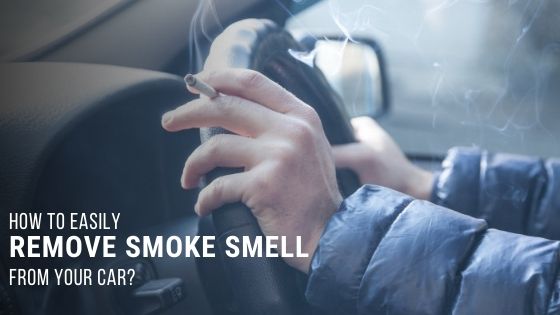
That lingering smoke smell in your car, a constant reminder of past passengers or habits, can be incredibly frustrating. It's not just unpleasant; it can also impact your car's resale value and even affect your health. But don't worry, getting rid of that stubborn odor is possible. This guide will walk you through a step-by-step process to completely eliminate smoke smell from your car, leaving it fresh and clean.
How to Eliminate Smoke Smell From Your Car: A Comprehensive Guide
Getting rid of smoke smell from a car requires a multi-pronged approach. You can't just mask the odor; you need to eliminate the source. This involves thorough cleaning, odor absorption, and ventilation. We'll cover everything from identifying the culprit (cigarette smoke, cigar smoke, or even burnt food) to implementing a long-term strategy to keep your car smelling its best.
Step 1: Initial Cleaning and Preparation for Smoke Odor Removal
Before you start any odor-eliminating treatments, a deep clean is essential. This removes the physical residue that's contributing to the smoke smell and prepares surfaces for better absorption of odor neutralizers. Think of it as laying the groundwork for success in your quest to eliminate smoke smell from your car. Here's a breakdown:
Thoroughly Vacuum Every Surface
Start with a high-powered vacuum cleaner and attachments. Pay special attention to: Carpets and Floor Mats: These are notorious for trapping smoke particles. Use a stiff brush to loosen debris before vacuuming. Upholstery: Vacuum seats, headrests, and any fabric surfaces. Crevices are your enemy here, so use the crevice tool attachment. Dashboard and Console: Use a soft brush attachment to avoid scratching. Air Vents: These can harbor smoke particles. Use a brush attachment or even a cotton swab to clean them. Trunk:Don't forget the trunk! Vacuum the floor and any side panels.
Fact: A study showed that vacuuming can remove up to 85% of loose particles and surface debris from carpets, greatly reducing initial odor sources.
Clean Hard Surfaces with Appropriate Cleaners
Use a cleaner specifically designed for car interiors on all hard surfaces. Avoid harsh chemicals that could damage the material. Some effective options include:
All-Purpose Cleaner: Diluted according to the manufacturer's instructions. Test in an inconspicuous area first. Leather Cleaner (if applicable): Use a leather cleaner and conditioner to clean and protect leather seats. Glass Cleaner: Clean all windows and mirrors inside and out. Smoke residue can leave a film on the glass. Microfiber Cloths: These are ideal for cleaning without leaving streaks or lint.
Remove and Wash Removable Items
Take out floor mats, seat covers, and any other removable items that can be laundered. Wash them according to the manufacturer's instructions, using a detergent with odor-eliminating properties. Allow them to air dry completely before putting them back in the car. This is a critical step that’s often overlooked, and it's key in how to eliminate smoke smell from car completely.
Step 2: Neutralizing the Smoke Smell
Now that you've removed the physical residue, it's time to tackle the actual odor. There are several effective methods for neutralizing smoke smell. The key is to choose the right approach based on the severity of the odor and your preferences.
Activated Charcoal
Activated charcoal is a highly porous material that can absorb odors and pollutants. It's a natural and effective way to eliminate smoke smell from your car.
How to Use: Place several bowls or bags of activated charcoal in your car. Leave them in overnight or for several days, replacing them as needed. You can also find activated charcoal air purifiers designed for cars. Benefits: Natural, non-toxic, and effective at absorbing odors. Drawbacks:Can take several days to work, may not be effective for very strong odors.
Case Study: A study published in the Journal of Environmental Sciencefound that activated carbon filters effectively reduced indoor air pollutants, including those associated with smoke.
Ozone Generator (Use with Caution)
Ozone generators produce ozone (O3), a powerful oxidizing agent that can break down odor molecules. However, ozone can also be harmful to human health, so use it with extreme caution.
How to Use: Place the ozone generator inside the car with all windows and doors closed. Run the generator for the recommended time, typically 1-2 hours. Crucially, do NOT enter the car while the ozone generator is running.After the treatment, ventilate the car thoroughly for several hours before using it. Benefits: Can be very effective at eliminating strong odors quickly. Drawbacks: Potentially harmful to health if used improperly, can damage some materials (like rubber and plastic) in high concentrations. Professional use is strongly recommended. Warning:Breathing ozone can cause respiratory problems. Follow the manufacturer's instructions carefully and prioritize safety.
Baking Soda
Baking soda is a household staple that's also a great odor absorber. It's a safe and affordable option for eliminating smoke smell.
How to Use: Sprinkle baking soda liberally on carpets, upholstery, and floor mats. Leave it on for several hours or overnight. Vacuum up the baking soda thoroughly. Benefits: Safe, affordable, and readily available. Drawbacks:May not be as effective as other methods for very strong odors.
White Vinegar
White vinegar is another natural odor neutralizer. Its acidic properties can break down odor molecules.
How to Use: Place a bowl of white vinegar in the car overnight. The vinegar smell will dissipate as it absorbs the smoke odor. You can also lightly mist diluted vinegar (1 part vinegar to 1 part water) onto fabric surfaces, but test in an inconspicuous area first. Benefits: Natural, effective at neutralizing odors. Drawbacks:The vinegar smell can be strong initially, but it will dissipate.
Professional Detailing
If you've tried the DIY methods and still can't eliminate the smoke smell, consider hiring a professional car detailing service. They have specialized equipment and cleaning products that can effectively remove stubborn odors.
Benefits: Thorough cleaning, professional-grade products, expertise in odor elimination. Drawbacks: Can be more expensive than DIY methods.
Step 3: Airing Out and Ventilation to Remove Smoke Odor
Ventilation is crucial for removing any lingering odors and allowing fresh air to circulate. After cleaning and odor treatment, take the following steps:
Open Windows and Doors
Open all windows and doors for several hours each day. This allows fresh air to circulate and carry away any remaining odors. Park the car in a sunny location if possible, as sunlight can also help break down odor molecules.
Run the Car's Ventilation System
Turn on the car's ventilation system with the windows open. Use the "fresh air" setting rather than the "recirculate" setting. This will bring in fresh air from outside and help flush out the remaining smoke odor. Ensure your cabin air filter is new for optimal performance and smoke odor removal.
Use Air Fresheners Sparingly
While air fresheners can mask odors, they don't eliminate them. Use them sparingly after you've addressed the source of the smoke smell. Choose air fresheners with natural scents or odor-neutralizing properties. Avoid overly strong or artificial fragrances. If you’ve successfully addressed how to eliminate smoke smell from car, air fresheners should not be necessary except for maintenance.
Step 4: Prevention is Key: Preventing Smoke Smell from Returning
Once you've successfully eliminated the smoke smell, it's important to take steps to prevent it from returning.
No Smoking in the Car
The most effective way to prevent smoke smell is to simply avoid smoking in the car. This is a no-brainer, but it's worth emphasizing. If you must smoke, do it outside the car with the windows rolled up. This simple rule is the easiest way to prevent the need to again eliminate smoke smell from your car.
Clean Up Spills Immediately
Food and drink spills can contribute to unpleasant odors. Clean them up immediately to prevent them from becoming a problem.
Regular Cleaning
Regularly vacuum and clean your car's interior to prevent the buildup of dirt, dust, and other odor-causing substances. Aim to vacuum at least once a month and clean hard surfaces as needed.
Replace the Cabin Air Filter Regularly
The cabin air filter filters the air that enters the car's ventilation system. Replacing it regularly (typically every 12,000-15,000 miles) will help keep the air fresh and clean and prevent the buildup of odors.
Fact: A clean cabin air filter can improve air quality inside your car by up to 40%.
Use Odor Absorbers
Keep bowls of activated charcoal or baking soda in your car to continuously absorb odors. Replace them every few months to maintain their effectiveness. A small bag of coffee beans can also work well.
Eliminating smoke smell from your car can be a challenging task, but with persistence and the right techniques, it's definitely achievable. By following these steps, you can restore your car to a fresh and clean state and enjoy a more pleasant driving experience. Remember that patience is key, and it may take several attempts to completely eliminate the odor. Good luck!