Oh no! Chocolate has met your car seat! We've all been there – a rogue piece of candy, a melty ice cream cone, or a forgotten chocolate bar can leave a sticky, messy surprise on your car's interior. Don't panic! Removing chocolate from a car seat might seem daunting, but with the right tools and techniques, you can restore your car seat to its former glory. This guide will walk you through the process step-by-step, ensuring a chocolate-free ride every time. How to Remove Chocolate Stains from Car Seats : A Comprehensive Guide Getting chocolate out of your car seat involves a multi-pronged approach, addressing both the solid residue and the greasy stain it leaves behind. The sooner you tackle the stain, the easier it will be to remove. Remember to always test any cleaning solution on an inconspicuous area of the car seat first to ensure it doesn't damage or discolor the fabric. Step 1: Gather Your Supplies for Chocolate Removal Before you ...
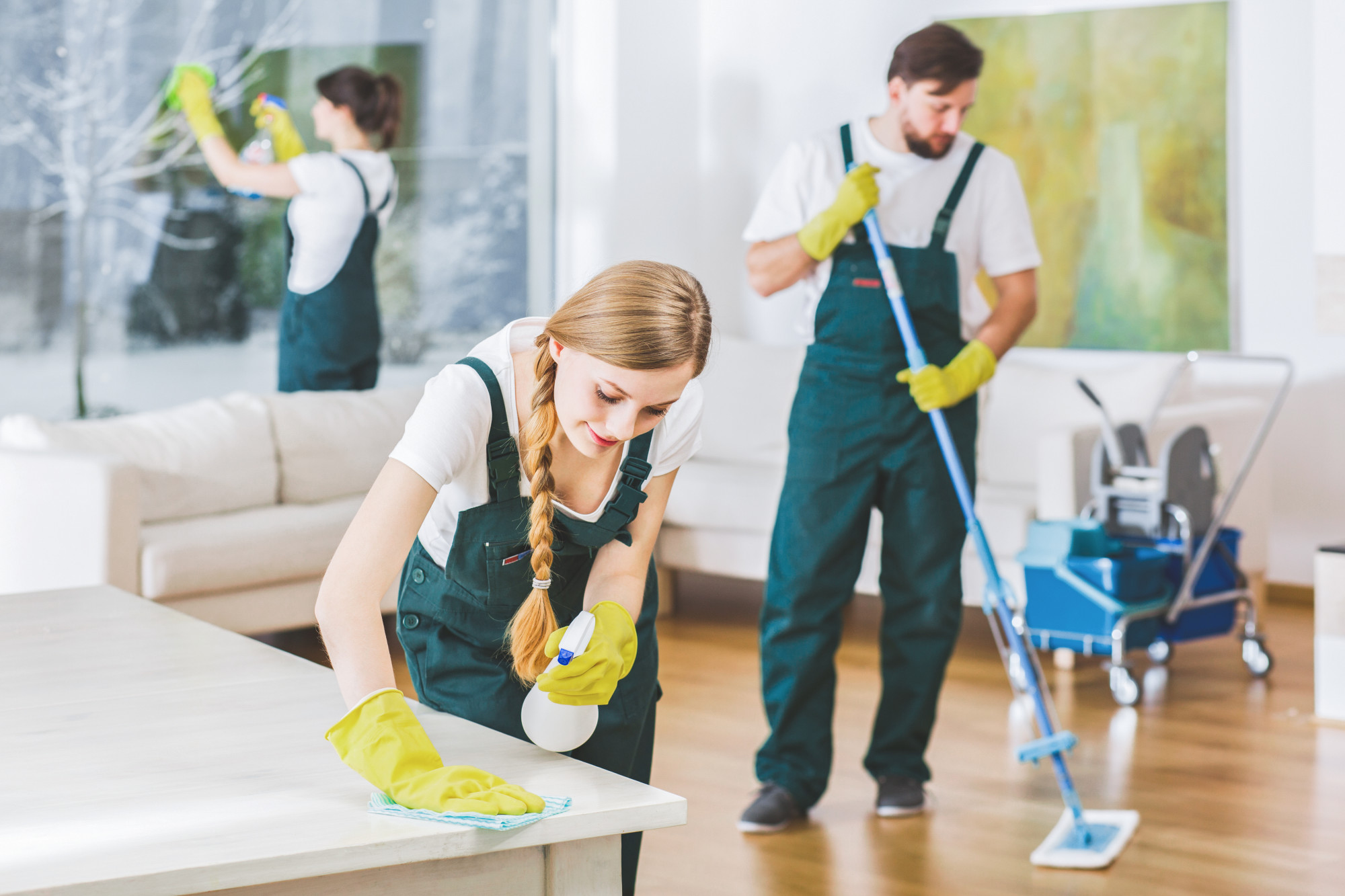
Ever noticed how streaky your tinted car windows get? It's a common problem! You want that sleek, shaded look, but smudges and fingerprints can quickly ruin the effect. Cleaning tinted windows isn't quite the same as cleaning regular glass, though. Using the wrong products or techniques can damage the tint, leading to bubbles, peeling, or discoloration. But don't worry, I'm here to guide you through the best practices for keeping your tinted windows sparkling clean and protecting your investment.
How To Clean Tinted Car Windows: A Complete Guide
Why Cleaning Tinted Car Windows Requires Special Care
Tinted car windows add a stylish touch and offer a host of practical benefits, including reducing glare, blocking harmful UV rays, and enhancing privacy. However, the tint itself is a thin film applied to the inside of the glass. This film is susceptible to damage from harsh chemicals, abrasive cleaners, and even the wrong type of cleaning cloth. Understanding this delicate balance is the first step in properly maintaining your tinted windows. Think of it like this: your car's paint needs special wax, and your tinted windows need special cleaning love. The difference between regular glass and tinted glass lies in this delicate film.
Using ammonia-based cleaners, for example, can break down the adhesive holding the tint in place, causing it to bubble or peel over time. Similarly, abrasive cleaners can scratch the film, leaving unsightly marks. Even some paper towels can be too rough and leave behind lint or fine scratches. Therefore, it's crucial to use only products and methods specifically designed for tinted windows.
Consider the following facts about window tint:
Material: Most window tints are made from polyester film. Adhesive: A pressure-sensitive adhesive bonds the film to the glass. Sensitivity: The film and adhesive are sensitive to ammonia, solvents, and abrasive materials. Longevity: Proper care can extend the lifespan of your window tint significantly.
The Right Tools and Products for Cleaning Tinted Windows
Having the right tools and products is half the battle when it comes to cleaning tinted car windows effectively and safely. Using the wrong materials can lead to irreversible damage, so it's worth investing in a few key items. This isn't just about getting your windows clean; it's about preserving the integrity and appearance of the tint itself.
Must-Have Cleaning Supplies:
- Microfiber Cloths: These are your best friends! Opt for soft, lint-free microfiber cloths. They're gentle on the tint and won't leave behind streaks. Avoid using paper towels, which can be too abrasive.
- Ammonia-Free Window Cleaner: This is crucial! Ammonia-based cleaners can damage the tint. Look for products specifically labeled as "ammonia-free" and safe for tinted windows. Many automotive detailing companies offer excellent options.
- Spray Bottle: A clean spray bottle for dispensing your cleaner is essential.
- Distilled Water: Sometimes, just distilled water is all you need for a quick clean! Distilled water avoids mineral deposits.
- Optional: Soft Sponge or Applicator: For stubborn dirt or grime, a soft sponge or applicator can be helpful. Make sure it's clean and non-abrasive.
Pro Tip: Keep separate microfiber cloths for cleaning the interior and exterior of your windows to avoid transferring dirt or grime.
Choosing the Right Window Cleaner:
The most important factor is ensuring that your window cleaner is ammonia-free. Read the label carefully! Many popular household window cleaners contain ammonia, so you'll need to look for a specialized product. Some excellent options include:
Invisible Glass Premium Glass Cleaner (Ammonia-Free): A popular choice among car enthusiasts. 3M Glass Cleaner (Ammonia-Free): Known for its streak-free performance. Chemical Guys Window Cleaners (Various):They offer a range of ammonia-free options for different needs.
You can also make your own DIY window cleaner using simple ingredients. A mixture of distilled water and a small amount of white vinegar (about a 10:1 ratio) can be effective and safe for tinted windows. However, always test any DIY solution in an inconspicuous area first to ensure it doesn't damage the tint.
Step-by-Step Guide: How to Clean Your Tinted Car Windows
Now that you have the right tools and products, let's dive into the step-by-step process of cleaning your tinted car windows. Follow these instructions carefully to achieve a streak-free finish without damaging the tint.
Step 1: Preparation
Before you start cleaning, park your car in a shaded area. Cleaning in direct sunlight can cause the cleaner to dry too quickly, leaving streaks. Gather all your supplies and make sure you have everything within easy reach. Consider laying down a towel on your dashboard to protect it from any drips.
Step 2: Initial Cleaning (Removing Loose Dirt)
Use a clean, dry microfiber cloth to gently wipe down the inside of the windows. This will remove any loose dust, dirt, or debris. Pay attention to the corners and edges, where dirt tends to accumulate. You can also use a soft brush to loosen stubborn dirt in these areas.
Step 3: Applying the Window Cleaner
Lightly spray the ammonia-free window cleaner onto a clean microfiber cloth, not directly onto the window. Over-spraying can cause the cleaner to run down the window and potentially seep behind the tint, which can damage the adhesive. A light, even mist is all you need.
Step 4: Wiping Down the Window
Using the dampened microfiber cloth, wipe down the window in overlapping strokes. Start from the top and work your way down. Apply gentle pressure and avoid scrubbing aggressively. For heavily soiled areas, you may need to repeat this step.
Step 5: Drying and Buffing
Use a second, clean, dry microfiber cloth to dry and buff the window. This will remove any remaining cleaner residue and leave a streak-free finish. Again, use overlapping strokes and apply gentle pressure. Pay attention to the edges and corners, ensuring they are completely dry.
Step 6: Repeat if Necessary
If you still see streaks or smudges after drying, repeat steps 3-5. Sometimes, it takes a couple of passes to get a perfectly clean window. Be patient and thorough.
Cleaning the Exterior Tinted Windows
Cleaning the exterior tinted windows involves similar steps, but you may need to pre-wash the windows to remove any stubborn dirt or road grime. You can use a car wash soap and water solution for this. Rinse thoroughly before proceeding with the window cleaner.
Common Mistakes to Avoid When Cleaning Tinted Car Windows
Even with the best intentions, it's easy to make mistakes when cleaning tinted car windows. Here are some common pitfalls to avoid:
Using Ammonia-Based Cleaners: This is the biggest no-no! Always use ammonia-free products. Using Abrasive Cleaners or Scrubbing Pads: These can scratch the tint. Using Paper Towels: They can be too rough and leave behind lint. Cleaning in Direct Sunlight: This can cause streaks. Over-Spraying the Cleaner: This can damage the adhesive. Ignoring Edges and Corners: Dirt tends to accumulate in these areas. Using Dirty Cloths: Always use clean microfiber cloths. Applying Too Much Pressure: Be gentle to avoid damaging the tint.
Maintaining Your Tinted Car Windows: Pro Tips
Preventative care is key to keeping your tinted car windows looking their best for years to come. Here are some pro tips to help you maintain your tint:
Regular Cleaning: Clean your windows regularly, ideally every few weeks, to prevent dirt and grime from building up. Avoid Harsh Chemicals: Never use harsh chemicals or solvents on your tinted windows. Park in the Shade: When possible, park your car in the shade to protect the tint from excessive heat and UV exposure. Inspect for Damage: Regularly inspect your tint for any signs of damage, such as bubbles, peeling, or scratches. Address any issues promptly to prevent them from worsening. Professional Detailing:Consider having your car professionally detailed a couple of times a year. Professional detailers have the expertise and products to clean and protect your tinted windows properly.
Understanding Different Types of Window Tint and Their Cleaning Needs
While the general cleaning principles remain the same, different types of window tint might have slightly different sensitivities. Understanding the type of tint you have can help you tailor your cleaning approach.
Dyed Window Tint: This is the most basic type of tint, offering minimal heat rejection. It's relatively inexpensive but also more prone to fading. Metallic Window Tint: This type of tint contains metallic particles that reflect heat and provide better UV protection. It can sometimes interfere with electronic signals. Carbon Window Tint: This tint uses carbon particles to absorb heat and provide a matte finish. It's more durable than dyed tint and doesn't interfere with electronic signals. Ceramic Window Tint: This is the most advanced type of tint, offering superior heat rejection, UV protection, and clarity. It's also the most expensive.
Regardless of the type of tint you have, always use ammonia-free cleaners and gentle cleaning methods. For specific concerns, consult with a professional window tint installer.
Addressing Specific Problems: Removing Streaks, Smudges, and Fingerprints
Even with careful cleaning, you might still encounter streaks, smudges, or fingerprints on your tinted windows. Here are some tips for addressing these specific problems:
Streaks: Streaks are often caused by using too much cleaner or not drying the window thoroughly. Try using a clean, dry microfiber cloth to buff out the streaks. If that doesn't work, re-clean the window with a lighter application of cleaner and pay close attention to drying. Smudges: Smudges are usually caused by oily residues or fingerprints. Use a slightly dampened microfiber cloth to gently wipe away the smudge. You can also try using a dedicated glass cleaner formulated to remove oily residues. Fingerprints:Fingerprints are similar to smudges and can be removed with a slightly dampened microfiber cloth. Be sure to wipe the entire area to avoid leaving a halo effect.
When to Seek Professional Help for Cleaning Tinted Car Windows
While you can handle most cleaning tasks yourself, there are times when it's best to seek professional help. Consider contacting a professional detailer if:
Your tint is severely damaged (e.g., bubbling, peeling).
You're unsure about the type of tint you have.
You've tried cleaning the windows yourself but haven't been able to achieve satisfactory results.
You want to ensure the tint is cleaned and protected to the highest standards.
A professional detailer has the expertise, tools, and products to properly care for your tinted windows and prevent further damage.
In conclusion: Keeping Your Tinted Car Windows Sparkling Clean
Cleaning tinted car windows may seem daunting at first, but with the right tools, products, and techniques, it's a manageable task. By following these guidelines and avoiding common mistakes, you can keep your tinted windows looking their best for years to come, enhancing your car's appearance and preserving the benefits of the tint. Remember, it's all about gentle care and using the correct, ammonia-free products. Happy cleaning!