Oh no! Chocolate has met your car seat! We've all been there – a rogue piece of candy, a melty ice cream cone, or a forgotten chocolate bar can leave a sticky, messy surprise on your car's interior. Don't panic! Removing chocolate from a car seat might seem daunting, but with the right tools and techniques, you can restore your car seat to its former glory. This guide will walk you through the process step-by-step, ensuring a chocolate-free ride every time. How to Remove Chocolate Stains from Car Seats : A Comprehensive Guide Getting chocolate out of your car seat involves a multi-pronged approach, addressing both the solid residue and the greasy stain it leaves behind. The sooner you tackle the stain, the easier it will be to remove. Remember to always test any cleaning solution on an inconspicuous area of the car seat first to ensure it doesn't damage or discolor the fabric. Step 1: Gather Your Supplies for Chocolate Removal Before you ...
So, your AGM (Absorbent Glass Mat) car battery is feeling a little sluggish? Don't worry, you're not alone! Knowing how to properly charge your AGM car battery is crucial for extending its lifespan and ensuring your car starts reliably every time. Let's dive into everything you need to know to get your battery back to full power safely and efficiently.
Understanding AGM Batteries
AGM batteries are a type of lead-acid battery, but with a key difference: the electrolyte is absorbed into a fiberglass mat, rather than being free-flowing liquid. This makes them spill-proof, vibration-resistant, and generally more durable than traditional flooded lead-acid batteries. Because of this construction, AGM batteries require a slightly different charging approach.
Why AGM Batteries Need Special Care When Charging
Overcharging is the biggest threat to AGM batteries. Unlike flooded batteries, AGM batteries can't vent excess pressure as easily. Overcharging leads to gassing, which dries out the electrolyte and reduces the battery's capacity and lifespan significantly. Think of it like boiling an egg – you can't put the moisture back in once it's gone! Therefore, you need to pay close attention to the voltage and charging current.
Here's a quick comparison of AGM battery charging needs compared to traditional flooded lead-acid batteries:
| Feature | AGM Battery | Flooded Lead-Acid Battery |
|---|---|---|
| ----------------- | ---------------------------------------------- | ---------------------------------------------- |
| Electrolyte | Absorbed in fiberglass mat | Free-flowing liquid |
| Venting | Limited | Easier |
| Overcharge Risk | High | Lower |
| Charging Voltage | Generally lower (14.4V - 14.8V peak) | Generally higher (14.4V - 15.0V peak) |
| Charging Current | Typically lower | Can tolerate higher current |
Preparing to Charge Your AGM Car Battery
Before you even think about connecting those charging cables, a little prep work is in order. This ensures both your safety and the success of the charging process. It also enables you tocharge your AGM car battery correctly.
Gathering the Right Tools and Equipment
You'll need a few essential items:
A Smart Battery Charger: This is arguably the most important piece of equipment. Look for a charger specifically designed for AGM batteries, or one that has an AGM charging mode. These chargers automatically adjust the voltage and current to prevent overcharging. Avoid using old-fashioned, manually controlled chargers. Safety Glasses and Gloves: Safety first! Battery acid is corrosive, so protect your eyes and skin. A Voltmeter (Multimeter): This is helpful for checking the battery's voltage before and after charging. A Clean Cloth: For wiping away any dirt or corrosion from the battery terminals.
Safety Precautions Before Charging
Working with batteries involves some inherent risks, so take these precautions seriously:
Work in a Well-Ventilated Area: Charging batteries can produce hydrogen gas, which is flammable. An open garage or outdoors is ideal. Disconnect the Battery from the Vehicle: While some chargers allow chargingin situ, disconnecting the battery is the safest option. This prevents any electrical surges from damaging your car's electronics. Disconnecting the negative terminal first, then the positive, and then reconnecting them in reverse order after the charging process. This order is crucial to avoid accidentally shorting the battery. Remove Any Jewelry: Metallic jewelry can conduct electricity and cause burns if it comes into contact with the battery terminals. No Smoking or Open Flames:Hydrogen gas + sparks = bad news.
Step-by-Step Guide: How to Charge an AGM Car Battery
Now for the main event! Follow these steps for safe and effective charging. Remember to always consult your battery charger's manual for specific instructions, as models can vary slightly.
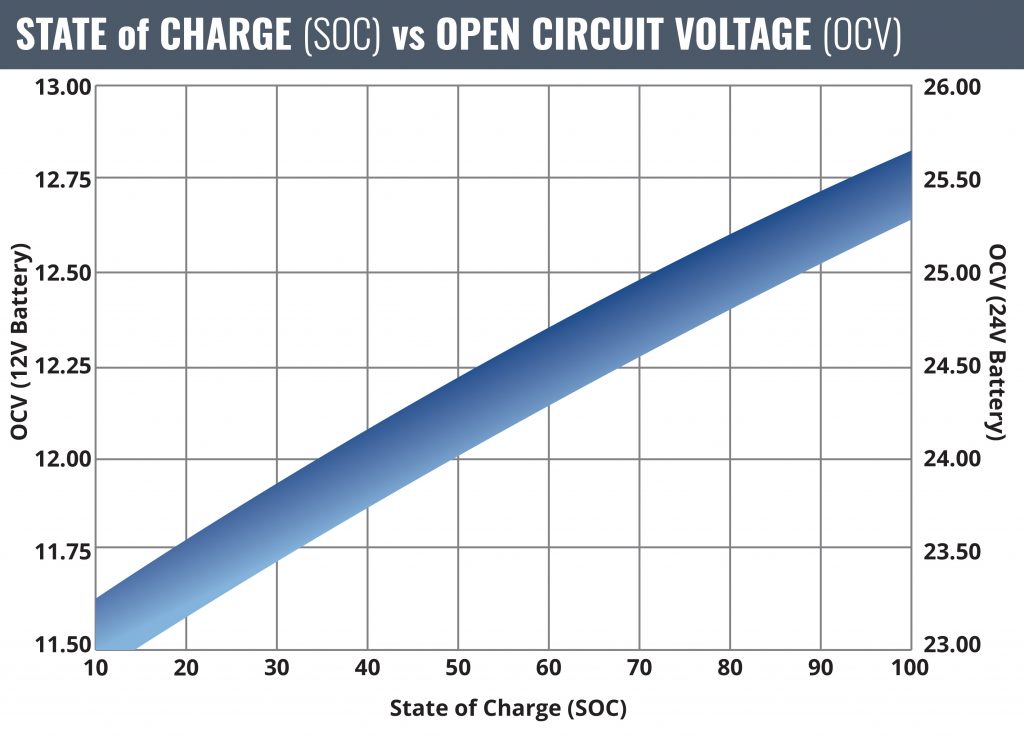
Step 1: Assess the Battery's Condition
Before charging, check the battery's voltage using a multimeter. A healthy AGM battery should read around 12.6 to
12.8 volts. If it's significantly lower (e.g., below 12 volts), it might be deeply discharged and require a slower, more gentle charging approach. Some smart chargers have a "desulfation" mode for reviving deeply discharged batteries. Keep in mind that severely damaged batteries may not be salvageable.
Step 2: Connect the Battery Charger
Connect the charger to the battery, making sure to match the polarity correctly: red (positive) to positive (+) and black (negative) to negative (-). Double-check the connections before proceeding. If you're charging the battery in the car, make sure the ignition is off and all electrical accessories are turned off.
Step 3: Select the Correct Charging Mode
This is where that smart charger comes in handy. Select the AGM charging mode, if available. If your charger doesn't have a dedicated AGM mode, choose a setting suitable for lead-acid batteries and ensure the voltage doesn't exceed the recommended range for AGM batteries (typically 14.4 to
14.8 volts). If your smart charger does not have an AGM specific mode, it might be preferable to set it to the lowest available voltage setting.
Step 4: Monitor the Charging Process
Keep an eye on the charging process, especially during the initial stages. Most smart chargers will automatically adjust the charging current and voltage as the battery charges. Some chargers have indicator lights or displays that show the charging progress. Don't leave the battery unattended for extended periods, especially if you're using a manual charger. Overcharging can happen quickly!
Step 5: Disconnect the Charger
Once the battery is fully charged (as indicated by the charger's display), disconnect the charger. First, unplug the charger from the power outlet, then disconnect the cables from the battery terminals, negative first, then positive. Reconnect the battery to your vehicle, reversing the disconnection order (positive first, then negative).
Tips for Extending Your AGM Car Battery's Life
Proper charging is just one piece of the puzzle. Here are some additional tips to keep your AGM battery healthy and extend its lifespan.
Avoid Deep Discharges: Regularly discharging your battery to very low levels can significantly shorten its lifespan. Try to avoid leaving your car lights on or running accessories for extended periods when the engine is off. Store Properly When Not in Use: If you're storing your car for an extended period, disconnect the battery and store it in a cool, dry place. Consider using a battery maintainer (also known as a trickle charger) to keep the battery topped up while it's in storage. Regularly Check and Clean Terminals: Keep the battery terminals clean and free of corrosion. Use a wire brush and a mixture of baking soda and water to clean them, then apply a thin coat of petroleum jelly to prevent future corrosion. Professional Testing: Have your battery professionally tested periodically (e.g., at an auto parts store) to assess its overall health and identify any potential issues before they become major problems.
Charging an AGM battery is easy, but it is important to do it safely and efficiently. A properly maintained AGM battery can provide years of reliable service.