Oh no! Chocolate has met your car seat! We've all been there – a rogue piece of candy, a melty ice cream cone, or a forgotten chocolate bar can leave a sticky, messy surprise on your car's interior. Don't panic! Removing chocolate from a car seat might seem daunting, but with the right tools and techniques, you can restore your car seat to its former glory. This guide will walk you through the process step-by-step, ensuring a chocolate-free ride every time. How to Remove Chocolate Stains from Car Seats : A Comprehensive Guide Getting chocolate out of your car seat involves a multi-pronged approach, addressing both the solid residue and the greasy stain it leaves behind. The sooner you tackle the stain, the easier it will be to remove. Remember to always test any cleaning solution on an inconspicuous area of the car seat first to ensure it doesn't damage or discolor the fabric. Step 1: Gather Your Supplies for Chocolate Removal Before you ...
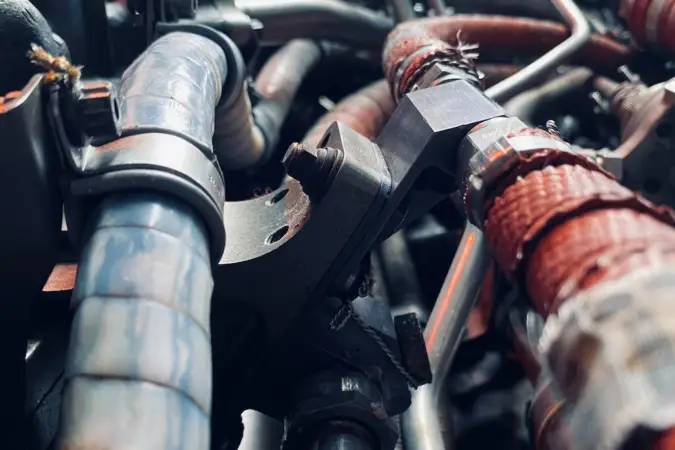
Is your car running a little hot under the collar? Overheating can be a real headache, and one of the most common culprits is trapped air in your cooling system. Don't worry, you don't need to be a seasoned mechanic to tackle this problem! Learning how to bleed a car radiator is a surprisingly straightforward task that can save you time, money, and prevent serious engine damage. Let's dive into the process and get your cooling system running smoothly again.
Why Bleeding Your Car Radiator Matters
Before we jump into the "how-to," it's important to understandwhybleeding your car radiator is necessary. Your car's cooling system is a closed loop, designed to circulate coolant (a mixture of antifreeze and water) throughout the engine to absorb heat. This coolant then travels to the radiator, where the heat is dissipated into the atmosphere. When air gets trapped in this system, it creates a barrier that hinders the coolant's ability to circulate effectively. This can lead to a variety of problems:
- Overheating: The most obvious symptom. Trapped air reduces the cooling system's efficiency, causing the engine temperature to rise.
- Reduced Heater Performance: Air pockets can prevent hot coolant from reaching the heater core, resulting in weak or no heat inside the cabin.
- Engine Damage: Prolonged overheating can cause serious and expensive engine damage, including warped cylinder heads, blown head gaskets, and even complete engine failure.
- Inaccurate Temperature Readings: Air can insulate the temperature sensor, giving you a false reading of your engine's temperature.
Regularly bleeding your radiator, especially after performing cooling system maintenance like replacing the radiator, water pump, or hoses, ensures that your cooling system functions optimally and prevents these issues.
Tools and Materials Needed to Bleed a Car Radiator
To successfully bleed your car radiator, gather these essential tools and materials. Having everything prepared beforehand will make the process smoother and more efficient:
- Safety Glasses: Protect your eyes from splashes of coolant.
- Gloves: Coolant can be irritating to the skin, so wear gloves.
- Wrench or Screwdriver: You'll need the appropriate tool to open the radiator's bleeder valve. Check your car's service manual for the correct size and type.
- Container to Catch Coolant: A bucket or drain pan will prevent spills and make cleanup easier.
- Coolant: You might lose some coolant during the bleeding process, so have extra on hand to top it off. Use the correct type of coolant specified for your vehicle (check your owner's manual).
- Funnel: A funnel helps prevent spills when adding coolant to the radiator.
- Rags or Shop Towels: For wiping up any spills.
- Jack and Jack Stands (Optional): If your radiator's bleeder valve is difficult to access, you might need to jack up the front of your car for better clearance. Always use jack stands for safety.
Important Safety Note: Never attempt to bleed a car radiator while the engine is hot. The coolant system is under pressure, and opening the bleeder valve or radiator cap can cause scalding hot coolant to spray out, resulting in serious burns. Always wait until the engine is completely cool before proceeding.
Step-by-Step Guide on How To Bleed A Car Radiator
Now, let's get down to the nitty-gritty. Follow these steps carefully to effectively bleed the air from your car's radiator. Remember safety first!
Step 1: Park Your Car on a Level Surface and Ensure the Engine is Cool
Park your car on a flat, level surface. This ensures that the coolant level in the radiator is even, which is crucial for accurate bleeding. Double-check that the engine is completely cool to the touch. This usually takes several hours after the engine has been running. Trying to bleed the system while it's hot is extremely dangerous and could lead to severe burns.
Step 2: Locate the Radiator Bleeder Valve (or Petcock)
The location of the radiator bleeder valve (also sometimes called a petcock) varies depending on the make and model of your vehicle. It's usually located on the top of the radiator, near one of the corners. Some vehicles may also have a bleeder valve on the engine block or near the thermostat housing. Consult your car's service manual for the exact location. The bleeder valve is usually a small, plastic or metal screw or valve with a small opening. If you can't find it, a quick search online for "[Your Car Make and Model] radiator bleeder valve location" should provide some helpful images or videos.
Step 3: Prepare to Catch Coolant
Place your container (bucket or drain pan) directly underneath the bleeder valve to catch any coolant that will be released. This prevents spills and keeps your work area clean. Position the container strategically to avoid splashing.
Step 4: Open the Radiator Cap (Carefully!)
Slowly and carefully open the radiator cap. To do this safely, use a rag to cover the cap and press down firmly while turning it counterclockwise. This will allow any built-up pressure to escape gradually. Once the pressure is released, you can remove the cap completely.Neverattempt to remove the radiator cap while the engine is hot or even warm. Doing so can result in a geyser of scalding coolant shooting out, causing severe burns.
Step 5: Open the Bleeder Valve
Using the appropriate wrench or screwdriver, slowly open the bleeder valve. Typically, only a quarter or half turn is sufficient. As you open the valve, you should hear air hissing out. This is the trapped air escaping from the cooling system. Be prepared for some coolant to come out as well.
Step 6: Monitor the Coolant Flow
Observe the coolant flowing from the bleeder valve. Initially, you'll likely see a mixture of air and coolant sputtering out. Continue to let it bleed until a steady stream of coolant, free of air bubbles, flows from the valve. This indicates that the air has been purged from that section of the cooling system. If no coolant flows, check to make sure the radiator is full. You may need to add coolant to the radiator as you bleed the system.
Step 7: Close the Bleeder Valve
Once you see a steady stream of coolant without air bubbles, close the bleeder valve tightly, but be careful not to overtighten it, as this could damage the valve. A snug fit is sufficient.
Step 8: Top Off the Coolant Level
Check the coolant level in the radiator. If it's low, add the correct type of coolant until it reaches the "full" mark. Use a funnel to avoid spills. Also, check the coolant level in the overflow reservoir (also known as the expansion tank). If it's below the "min" or "low" mark, add coolant to bring it up to the appropriate level. The overflow reservoir allows for expansion and contraction of the coolant as the engine heats up and cools down.
Step 9: Replace the Radiator Cap
Securely replace the radiator cap. Make sure it's properly tightened to prevent leaks.
Step 10: Start the Engine and Monitor for Leaks and Overheating
Start the engine and let it run for a few minutes. Keep a close eye on the temperature gauge. If the temperature starts to climb towards the "hot" zone, immediately shut off the engine. Also, check around the bleeder valve and radiator cap for any leaks. If you see any leaks, tighten the valve or cap as needed. After the engine has run for a while, let it cool completely and then recheck the coolant level in the radiator and overflow reservoir. Top off as needed.
Step 11: Repeat if Necessary
Sometimes, one bleeding session isn't enough to remove all the air from the system. If you're still experiencing overheating or poor heater performance, repeat the bleeding process after the engine has cooled down completely. It may take a few tries to get all the air out.
Troubleshooting Tips for Bleeding Your Car Radiator
Even with careful attention to detail, you might encounter some challenges while bleeding your car radiator. Here are some troubleshooting tips to help you overcome common issues:
- Bleeder Valve is Stuck: If the bleeder valve is stuck or corroded, try spraying it with a penetrating oil like WD-40 and let it sit for a while before attempting to open it. If it's still stuck, you may need to replace the valve entirely.
- Coolant Leaking from the Bleeder Valve: If coolant is leaking from around the bleeder valve even after it's closed, the valve may be damaged or the threads may be stripped. You'll likely need to replace the valve.
- Still Overheating After Bleeding: If your car is still overheating after bleeding the radiator, there may be other underlying issues, such as a faulty thermostat, a clogged radiator, a failing water pump, or a blown head gasket. Consult a qualified mechanic for further diagnosis.
- Can't Find the Bleeder Valve: Some vehicles don't have a dedicated bleeder valve on the radiator. In this case, you may need to bleed the system by loosening a hose clamp on one of the upper radiator hoses while the engine is running (exercise extreme caution with this method and be prepared for hot coolant to spray out). Refer to your car's service manual or online resources for specific instructions.
When to Seek Professional Help for Radiator Bleeding
While learning how to bleed a radiator can be a DIY project, there are situations where it's best to seek professional help. If you're not comfortable working on your car, or if you've tried bleeding the radiator multiple times without success, it's wise to consult a qualified mechanic. Additionally, if you suspect a more serious problem, such as a blown head gasket or a failing water pump, it's important to have your car inspected by a professional. A mechanic has the tools and expertise to diagnose and repair cooling system issues correctly, preventing further damage to your engine.
Preventative Maintenance for a Healthy Cooling System
Once you've successfully bled your car radiator, it's important to maintain your cooling system to prevent future problems. Here are some preventative maintenance tips:
- Regularly Check Coolant Levels: Check the coolant level in the radiator and overflow reservoir at least once a month. Top off as needed with the correct type of coolant.
- Flush the Cooling System: Flush the cooling system every 2-3 years, or as recommended by your car's manufacturer. This removes old coolant, sediment, and debris that can accumulate over time and reduce cooling system efficiency.
- Inspect Hoses and Clamps: Regularly inspect the radiator hoses and clamps for cracks, leaks, or deterioration. Replace any damaged hoses or clamps promptly.
- Replace the Radiator Cap: The radiator cap is a critical component of the cooling system. Replace it every few years to ensure it maintains proper pressure.
- Monitor Engine Temperature: Pay attention to your car's temperature gauge. If you notice the temperature consistently running higher than normal, investigate the cause promptly.
By following these maintenance tips, you can keep your cooling system in top condition and prevent costly repairs down the road. Learning how to bleed a car radiator is a great step towards maintaining your vehicle, but it’s just one piece of the puzzle. Taking care of your entire cooling system will keep your engine running cool and efficiently for years to come.