Oh no! Chocolate has met your car seat! We've all been there – a rogue piece of candy, a melty ice cream cone, or a forgotten chocolate bar can leave a sticky, messy surprise on your car's interior. Don't panic! Removing chocolate from a car seat might seem daunting, but with the right tools and techniques, you can restore your car seat to its former glory. This guide will walk you through the process step-by-step, ensuring a chocolate-free ride every time. How to Remove Chocolate Stains from Car Seats : A Comprehensive Guide Getting chocolate out of your car seat involves a multi-pronged approach, addressing both the solid residue and the greasy stain it leaves behind. The sooner you tackle the stain, the easier it will be to remove. Remember to always test any cleaning solution on an inconspicuous area of the car seat first to ensure it doesn't damage or discolor the fabric. Step 1: Gather Your Supplies for Chocolate Removal Before you ...
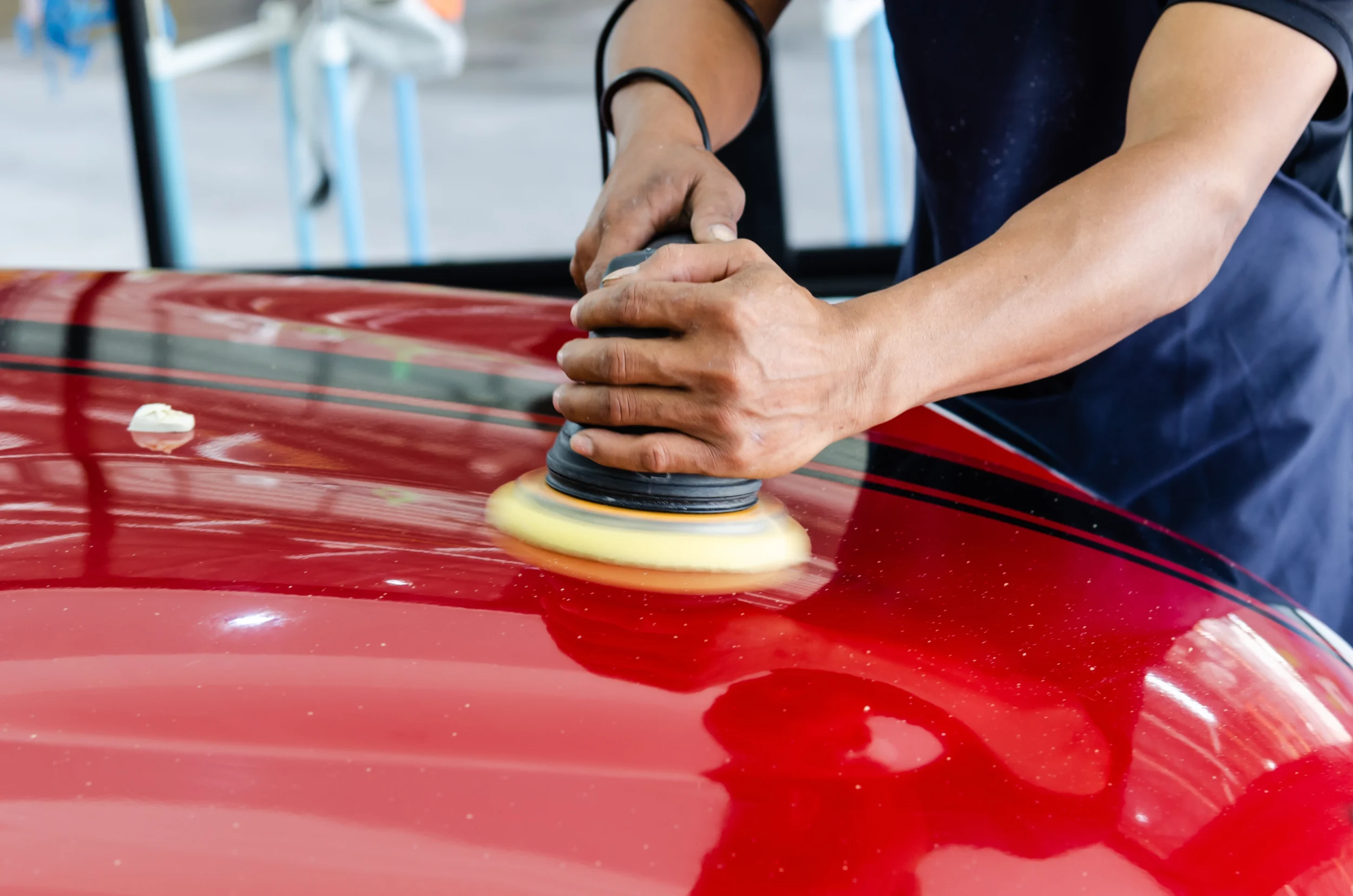
Ever notice how some cars seem to gleam like they just rolled off the showroom floor? It's not always luck, folks. Often, it's the magic of a good wax. But waxing your car isn't just about making it look pretty; it's about protecting your investment from the elements. Ready to learn how to give your car that dazzling, long-lasting shine? Let's dive in!
Why Wax Your Car? Beyond the Shine
Okay, let's be honest, everyone loves a shiny car. But car waxing is more than just aesthetics. Think of wax as a protective shield for your car's paint. It acts as a barrier against a whole host of environmental nasties that can dull, scratch, and even corrode your car's finish. We're talking about things like:
- UV Rays: The sun's ultraviolet radiation can fade your car's paint over time. Wax provides a UV-resistant layer.
- Acid Rain: Pollutants in the rain can etch into your paint, causing permanent damage. Wax creates a protective barrier.
- Bird Droppings: These are surprisingly corrosive and can quickly damage your clear coat. Wax makes them easier to remove.
- Road Salt and Grime: Especially in winter, road salt can cause rust and corrosion. Wax helps prevent this.
- Scratches and Swirl Marks: While wax won't eliminate existing scratches, it can help minimize the appearance of new ones and protect against further damage.
Essentially, waxing your car is an investment in its long-term health and appearance. By regularlywaxing your vehicle, you'll not only maintain its resale value but also save yourself from costly paint repairs down the road. Think of it as preventative maintenance for your car's exterior.
Step-by-Step Guide:How to Wax a Car Like a Pro
Now that you know whywaxing your car is so important, let's get down to the nitty-gritty. Here's a comprehensive guide on how to do it right:
Step 1: Gather Your Supplies
Before you even think about touching your car with wax, make sure you have everything you need. Trust me, running out of something halfway through is a major pain. Here's a checklist:
- Car Wash Soap: Don't use dish soap! It can strip away waxes and oils. Use a dedicated car wash soap.
- Two Buckets: One for soapy water and one for rinsing your wash mitt.
- Wash Mitt: Microfiber is best to avoid scratching.
- Drying Towels: Microfiber again is key for a lint-free finish.
- Clay Bar (Optional): For removing embedded contaminants.
- Car Wax: Choose a wax that suits your needs (more on this later).
- Wax Applicator Pads: Foam or microfiber applicator pads work well.
- Microfiber Buffing Towels: Plenty of clean ones for buffing off the wax.
- Detailing Spray (Optional): For removing any remaining wax residue.
Step 2: Wash and Dry Your Car Thoroughly
This is a crucial step. You absolutely cannot wax a dirty car! You'll just be grinding dirt and grime into the paint, causing scratches. Follow these steps:
- Rinse: Thoroughly rinse your car to remove loose dirt and debris.
- Wash: Using the two-bucket method, wash your car from top to bottom. Rinse your wash mitt frequently in the rinse bucket to remove dirt.
- Rinse Again: Rinse off all the soap thoroughly.
- Dry: Dry your car with microfiber drying towels. Don't let it air dry, as this can leave water spots.
Step 3: Clay Bar Treatment (Optional, but Recommended)
If your car's paint feels rough or gritty, even after washing, it probably has embedded contaminants. A clay bar can remove these. This is how to use one:
- Knead the Clay Bar: Knead the clay bar until it's soft and pliable.
- Lubricate: Spray the area you're going to clay with a clay bar lubricant or detailer spray.
- Clay: Gently rub the clay bar back and forth over the lubricated area. You'll feel the clay picking up the contaminants.
- Wipe: Wipe the area with a clean microfiber towel.
- Repeat: Repeat on all painted surfaces of your car.
Remember to fold the clay bar frequently to expose a clean surface. If you drop the clay bar on the ground, discard it, as it can pick up dirt that will scratch your paint.
Step 4: Applying the Wax
Now for the main event! This is where youapply the wax to your car.
- Read the Instructions: Always follow the manufacturer's instructions on your chosen wax product. Different waxes may have different application techniques.
- Apply a Small Amount: Apply a small amount of wax to your applicator pad. A little goes a long way!
- Apply in Thin, Even Coats: Apply the wax to your car in thin, even coats using a circular or back-and-forth motion. Work in small sections (e.g., one panel at a time).
- Avoid Plastic and Rubber: Avoid getting wax on plastic or rubber trim, as it can be difficult to remove. If you do, use a trim restorer to clean it.
- Let it Haze: Allow the wax to haze over, which means it will dry to a slightly cloudy finish. The amount of time this takes will vary depending on the wax and the temperature/humidity. Refer to the product instructions.
Step 5: Buffing Off the Wax
Once the wax has hazed over, it's time to buff it off. This is what brings out the shine!
- Use a Clean Microfiber Towel: Use a clean, soft microfiber towel to buff off the wax.
- Buff in Circular Motions: Buff in circular motions, applying light pressure.
- Flip the Towel: Flip the towel frequently to a clean side to avoid smearing the wax.
- Check for Residue: Inspect your car carefully for any remaining wax residue. Use a detailing spray to remove any stubborn spots.
Remember, buffing should be relatively easy. If you're struggling, it means you either applied too much wax or didn't let it haze over properly.
Choosing the Right Car Wax
Not all car waxes are created equal! There are several types of wax available, each with its own pros and cons. Choosing the right one depends on your needs and preferences.
Types of Car Wax:
- Carnauba Wax: This is a natural wax derived from the Brazilian palm tree. It provides a deep, warm shine and excellent protection. However, it's generally more expensive and doesn't last as long as synthetic waxes.
- Synthetic Wax: These are man-made waxes that offer excellent durability and protection. They are often more resistant to heat and UV rays than carnauba waxes. They may not provide quite the same deep shine as carnauba.
- Paste Wax: This is a traditional type of wax that comes in a solid form. It requires more effort to apply and buff off but generally provides a longer-lasting shine.
- Liquid Wax: This is a more convenient option that is easier to apply and buff off. It's a good choice for beginners.
- Spray Wax: This is the easiest type of wax to apply. It's great for quick touch-ups and maintaining a previously waxed car. However, it doesn't offer the same level of protection or shine as other types of wax.
Factors to Consider:
- Durability: How long do you want the wax to last? Synthetic waxes generally last longer than carnauba waxes.
- Shine: How important is the shine to you? Carnauba waxes typically provide a deeper, warmer shine.
- Ease of Application: How much effort are you willing to put into waxing your car? Liquid and spray waxes are easier to apply than paste waxes.
- Price: Wax prices can vary significantly. Consider your budget when making your selection.
Ultimately, the best car wax for you is the one that meets your needs and preferences. Don't be afraid to experiment with different types of wax to find the one you like best. Read reviews and ask for recommendations from other car enthusiasts.
Tips and Tricks for Waxing Your Car
Want to take your car waxing skills to the next level? Here are a few extra tips and tricks:
- Wax in the Shade: Avoid waxing your car in direct sunlight, as this can cause the wax to dry too quickly and make it difficult to buff off.
- Work in Small Sections: Working in small sections allows you to apply the wax evenly and buff it off before it dries too much.
- Use a Foam Applicator Pad for Carnauba Wax: Foam applicator pads are less abrasive than microfiber pads and are ideal for applying carnauba wax.
- Use a Microfiber Applicator Pad for Synthetic Wax: Microfiber applicator pads are more abrasive than foam pads and are better suited for applying synthetic wax.
- Invest in a Good Buffing Towel: A high-quality microfiber buffing towel will make buffing off the wax much easier and will reduce the risk of scratching your paint.
- Use a Detailing Spray After Waxing: A detailing spray can help remove any remaining wax residue and enhance the shine.
- Regularly Maintain Your Wax: Wash your car regularly with a p H-neutral car wash soap to maintain the wax's protection. You can also use a spray wax to boost the shine between full waxes.
How Often Should You Wax Your Car?
The frequency with which you shouldwax your car depends on several factors, including the type of wax you use, the climate you live in, and how often you drive your car. As a general rule, you should aim to wax your car every 3-6 months. However, you may need to wax it more frequently if you live in a harsh climate or if you drive your car frequently. You can also check the beading of water on your car's surface. If the water no longer beads up tightly, it's probably time to wax your car again.
Conclusion
Learninghow to wax a car might seem daunting at first, but with a little practice and patience, you'll be able to achieve a professional-looking shine. Not only will your car look fantastic, but you'll also be protecting it from the elements and preserving its value for years to come. So, grab your supplies, follow these steps, and get ready to enjoy the satisfaction of a beautifully waxed car!