Oh no! Chocolate has met your car seat! We've all been there – a rogue piece of candy, a melty ice cream cone, or a forgotten chocolate bar can leave a sticky, messy surprise on your car's interior. Don't panic! Removing chocolate from a car seat might seem daunting, but with the right tools and techniques, you can restore your car seat to its former glory. This guide will walk you through the process step-by-step, ensuring a chocolate-free ride every time. How to Remove Chocolate Stains from Car Seats : A Comprehensive Guide Getting chocolate out of your car seat involves a multi-pronged approach, addressing both the solid residue and the greasy stain it leaves behind. The sooner you tackle the stain, the easier it will be to remove. Remember to always test any cleaning solution on an inconspicuous area of the car seat first to ensure it doesn't damage or discolor the fabric. Step 1: Gather Your Supplies for Chocolate Removal Before you ...
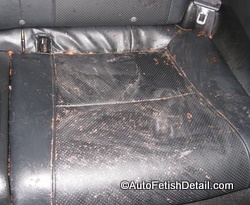
Okay, let's face it: nobody wants to deal with vomit, especially not in their car. Whether it's a carsickness mishap, a late-night adventure gone sideways, or a kiddo having a bad moment, the aftermath is never pretty. But don't panic! With the right steps and a little elbow grease, you can banish the smell and get your car looking (and smelling) fresh again. Let's get started on how to clean up vomit from your car like a pro.
Immediate Actions After A Vomit Incident in Your Car
Time is of the essence when dealing with vomit in your car. The longer it sits, the more it soaks in and the harder it becomes to remove both the stain and the odor. Here's your immediate action plan:
- Safety First: If you're driving, pull over to a safe location immediately. Don't try to clean while driving!
- Remove the Offender (if possible): If the person who vomited is able, carefully help them out of the car. Provide comfort and ensure their well-being.
- Assess the Damage: Take a quick look at the extent of the mess. Determine which surfaces are affected (seats, carpets, floor mats, etc.)
- Ventilate: Open all the car windows to air out the vehicle as much as possible. This will help to dissipate the initial odor and prevent it from becoming more deeply ingrained.
- Contain the Mess: If possible, use paper towels, rags, or even a plastic bag to soak up as much of the liquid vomit as you canimmediately. The more you remove now, the easier the cleaning process will be later. Blot, don't rub, as rubbing will only spread the mess and grind it further into the fibers.
These first steps are crucial. The quicker you react, the better the results will be. Now, let's move on to the deeper cleaning process.
Supplies You'll Need To Clean Vomit From Your Car
Having the right tools and cleaning solutions on hand will make the whole process of how to clean up vomit from your car far more effective and less stressful. Here's a list of essentials:
- Paper Towels or Rags: Plenty of them! Microfiber cloths are great for upholstery.
- Rubber Gloves: Protect your hands from bacteria and unpleasantness.
- Face Mask: Optional, but highly recommended to avoid inhaling odors.
- Scented Trash Bags: For disposing of soiled materials. The scent helps mask the vomit smell.
- Baking Soda: A natural odor absorber and cleaner.
- White Vinegar: A powerful deodorizer and disinfectant.
- Enzyme Cleaner: Specifically designed to break down organic matter like vomit. Look for a cleaner formulated for upholstery and carpets.
- Upholstery Cleaner: If you don't have an enzyme cleaner, a dedicated upholstery cleaner can help.
- Carpet Cleaner: For carpets and floor mats.
- Spray Bottle: For applying cleaning solutions.
- Scrub Brush: With soft bristles to avoid damaging surfaces.
- Vacuum Cleaner: Preferably with a hose attachment. A wet/dry vacuum is ideal, but a regular vacuum will work.
- Water: For rinsing.
Consider keeping a small "car cleaning kit" with some of these essentials in your trunk, just in case of future emergencies. Being prepared can save you a lot of time and effort in the long run.
Step-by-Step Guide: How To Clean Vomit Off Car Seats, Carpets, and Other Surfaces
Now, let's get down to the nitty-gritty of how to clean vomit from your car. Follow these steps carefully for each affected surface:
Step 1: Remove Solid Matter
Using gloved hands and paper towels or a spatula, carefully scrape up any remaining solid pieces of vomit. Dispose of them immediately in a scented trash bag. Be thorough, as any leftover solids will continue to smell and attract bacteria.
Step 2: Apply Baking Soda
Generously sprinkle baking soda over the affected area. Baking soda is a natural deodorizer and will help absorb any remaining moisture and odors. Let the baking soda sit for at least 15-30 minutes, or even longer (overnight is ideal) for stubborn odors. The longer it sits, the more effective it will be. This is a crucial step in how to clean vomit from car upholstery and carpets, as these materials tend to trap odors.
Step 3: Vacuum Thoroughly
Using the hose attachment of your vacuum cleaner, thoroughly vacuum up all the baking soda. Ensure you get into any crevices or seams where vomit may have seeped in. If you're using a regular vacuum, be careful not to vacuum up any wet residue, as this could damage the machine. A wet/dry vacuum is best for this step.
Step 4: Apply Cleaning Solution
Now it's time to apply your chosen cleaning solution. If you're using an enzyme cleaner, follow the manufacturer's instructions carefully. Enzyme cleaners are specifically formulated to break down the organic compounds in vomit, making them highly effective at removing both stains and odors. If you're using a mixture of white vinegar and water (a 1:1 ratio is a good starting point), spray the affected area lightly. Avoid oversaturating the fabric, as this can lead to mildew growth.
Step 5: Scrub Gently
Using a soft-bristled scrub brush, gently scrub the affected area in a circular motion. Be careful not to scrub too hard, as this could damage the fabric. Work the cleaning solution into the fibers, but avoid spreading the mess further. For delicate fabrics, test the cleaning solution on an inconspicuous area first to ensure it doesn't cause discoloration.
Step 6: Blot and Rinse
Use clean paper towels or a microfiber cloth to blot the area, removing as much of the cleaning solution and remaining vomit residue as possible. Rinse the area with clean water, using a spray bottle or damp cloth. Again, blot to remove excess moisture. Rinsing is important to remove any cleaning solution residue, which could attract dirt and cause discoloration.
Step 7: Dry Thoroughly
Allow the cleaned area to dry completely. This is crucial to prevent mold and mildew growth. Open the car windows and, if possible, park the car in direct sunlight. You can also use a fan to circulate air and speed up the drying process. For carpets and upholstery, you can use a wet/dry vacuum to extract any remaining moisture. Consider using a dehumidifier inside the car to further assist in the drying process.
Step 8: Re-Apply Baking Soda (If Necessary)
If you still detect a lingering odor after the area has dried, repeat the baking soda treatment. This can help absorb any remaining odors that were not completely removed by the initial cleaning. Leave the baking soda on for an extended period, such as overnight, before vacuuming it up.
Dealing with Stubborn Vomit Odors in Your Car
Sometimes, despite your best efforts, the vomit odor may persist. Here are some additional tips for tackling stubborn odors and knowing how to clean vomit from car effectively:
- Ozone Generator: An ozone generator can help eliminate odors by breaking down odor-causing molecules. However, ozone can be harmful to your health, so use it with caution and follow the manufacturer's instructions carefully. Ensure the car is unoccupied during treatment and thoroughly ventilate it afterward.
- Activated Charcoal: Place bowls of activated charcoal inside the car to absorb odors. Replace the charcoal regularly.
- Coffee Grounds: Similar to activated charcoal, coffee grounds can absorb odors. Place them in bowls or old socks inside the car.
- Professional Detailing: If all else fails, consider hiring a professional car detailing service. They have specialized equipment and cleaning solutions that can effectively remove stubborn odors and stains.
It's important to be patient and persistent. It may take several attempts to completely eliminate the vomit odor. Remember to ventilate your car regularly to keep it fresh and prevent odors from building up.
Preventing Future Vomit Mishaps in Your Vehicle
While accidents happen, there are some steps you can take to minimize the risk of future vomit incidents in your car:
- Motion Sickness Remedies: If someone in your family is prone to motion sickness, try giving them over-the-counter remedies like Dramamine or ginger supplements before long car rides.
- Avoid Heavy Meals Before Travel: Eating a large, greasy meal before a car ride can increase the risk of nausea. Opt for lighter, easily digestible foods.
- Fresh Air: Ensure adequate ventilation in the car, especially on winding roads.
- Breaks: Take frequent breaks during long car rides to stretch your legs and get some fresh air.
- Travel Sickness Bands: These bands apply pressure to acupressure points on the wrist, which can help alleviate nausea.
- Car Sickness Bags: Keep a supply of barf bags or plastic bags in the car, just in case.
- Driving Habits: Try to avoid jerky or sudden movements while driving, as these can exacerbate motion sickness.
By taking these preventative measures, you can significantly reduce the likelihood of dealing with another vomit incident in your car. However, if it does happen, you now have the knowledge and tools to tackle the mess and restore your car to its former glory.
Conclusion
Cleaning vomit from your car is never a pleasant task, but by following these steps, you can effectively remove the stain and eliminate the odor. Remember to act quickly, use the right cleaning solutions, and dry the area thoroughly. With a little patience and effort, you can restore your car to a clean and fresh condition. Hopefully, this guide has given you the knowledge to know how to clean vomit from car interior surfaces with ease.