Oh no! Chocolate has met your car seat! We've all been there – a rogue piece of candy, a melty ice cream cone, or a forgotten chocolate bar can leave a sticky, messy surprise on your car's interior. Don't panic! Removing chocolate from a car seat might seem daunting, but with the right tools and techniques, you can restore your car seat to its former glory. This guide will walk you through the process step-by-step, ensuring a chocolate-free ride every time. How to Remove Chocolate Stains from Car Seats : A Comprehensive Guide Getting chocolate out of your car seat involves a multi-pronged approach, addressing both the solid residue and the greasy stain it leaves behind. The sooner you tackle the stain, the easier it will be to remove. Remember to always test any cleaning solution on an inconspicuous area of the car seat first to ensure it doesn't damage or discolor the fabric. Step 1: Gather Your Supplies for Chocolate Removal Before you ...
That musty smell hitting you every time you hop in your car? It's likely not just stale air freshener – it could very well be mold. Mold growth in your car is not only unpleasant, but it can also pose serious health risks. Don't panic! Getting rid of it might seem daunting, but with the right tools and techniques, you can reclaim your car and breathe easy again. This guide will walk you through everything you need to know about how to clean mold out of car effectively and safely.
Understanding Mold in Your Car
Before we dive into the cleaning process, let's understand why mold appears in your car in the first place. Mold thrives in dark, damp environments. Think of your car's interior after a rainstorm, a spilled drink, or even just consistently humid weather. These conditions create the perfect breeding ground for mold spores. Common culprits include leaky windows, a malfunctioning AC system that creates condensation, or simply neglecting to clean up spills promptly.
Health Risks: Mold exposure can trigger various health problems, especially for individuals with allergies, asthma, or weakened immune systems. Symptoms can include:
- Sneezing
- Coughing
- Runny nose
- Skin rashes
- Headaches
- Respiratory problems
Ignoring mold growth in your car is simply not an option. It’s crucial to address the problem promptly to protect your health and maintain the value of your vehicle.
Identifying Mold in Your Vehicle
Identifying mold early is essential for easier removal. Here's what to look for:
- Sight: Visible spots or patches, often black, green, white, or brown. Look closely at carpets, seats, headliners, and in crevices.
- Smell: A musty, earthy odor that gets stronger when the car is closed up. This is often the first indicator.
- Texture: Mold can sometimes appear fuzzy or slimy.
Don't dismiss small stains or odors. Investigate thoroughly to determine if mold is present.
Essential Supplies for Mold Removal
Gathering the right supplies is crucial for effective mold removal. Here's a checklist:
- Protective Gear: Gloves, mask (N-95 or better), and eye protection. Mold spores can be harmful, so protect yourself!
- Vacuum Cleaner: A vacuum with a HEPA filter is essential to capture mold spores without spreading them.
- Cleaning Solutions:
- White Vinegar: A natural and effective mold killer.
- Baking Soda: Excellent for absorbing odors and moisture.
- Commercial Mold Remover: Use with caution and follow the manufacturer's instructions carefully. Always test in an inconspicuous area first.
- Mild Detergent: For general cleaning.
- Spray Bottles: For applying cleaning solutions.
- Microfiber Cloths: For wiping surfaces.
- Stiff-Bristled Brush: For scrubbing stubborn mold.
- Old Toothbrush: For reaching tight spaces.
- Dehumidifier: To dry the car interior after cleaning.
- Carpet Cleaner (optional): If the mold is deeply embedded in the carpet.
Step-by-Step Guide: How to Clean Mold Out of Your Car
Now that you're prepared, let's get to the cleaning process. Follow these steps carefully for the best results. This comprehensive guide will show youhow to clean mold out of your careffectively.
Step 1: Prepare the Car and Yourself
Safety first! Park your car in a well-ventilated area, preferably outdoors. Open all doors and windows to allow for airflow. Put on your gloves, mask, and eye protection. Remove any loose items from the car, such as floor mats, personal belongings, and trash. These items should be inspected and cleaned separately or discarded if heavily contaminated. Clear the area to allow for optimal maneuvering around the vehicle.
Step 2: Vacuum Thoroughly
Using your vacuum with a HEPA filter, thoroughly vacuum the entire interior of the car. Pay close attention to areas where mold is visible or suspected, such as carpets, seats, headliners, and vents. Use the crevice tool to reach tight spots and corners. Vacuuming removes loose mold spores and debris before you start cleaning with liquids, preventing them from spreading further. Vacuuming is a crucial first step incleaning mold from carinteriors.
Step 3: Apply Cleaning Solutions
Choose your preferred cleaning solution. White vinegar is a popular and effective choice due to its natural antifungal properties. Fill a spray bottle with undiluted white vinegar. Alternatively, you can use a commercial mold remover, following the manufacturer's instructions. Test the solution in an inconspicuous area first to ensure it doesn't damage the fabric or finish.
Spray the affected areas liberally with the chosen cleaning solution. Allow the solution to sit for 10-15 minutes to penetrate the mold. This dwell time allows the cleaning solution to effectively kill and loosen the mold. For heavier infestations, you might need to let it sit for longer, but always monitor the surface for any adverse reactions.
Step 4: Scrub and Wipe Down
Using a stiff-bristled brush or a microfiber cloth, scrub the affected areas thoroughly. For stubborn mold, use an old toothbrush to reach tight spaces. Apply moderate pressure while scrubbing to lift the mold from the surface. Once you've scrubbed the areas, wipe them down with a clean, damp microfiber cloth. Rinse the cloth frequently to avoid spreading the mold. The key toremoving mold from carinteriors lies in thorough scrubbing and wiping.
Step 5: Treat Fabric Surfaces
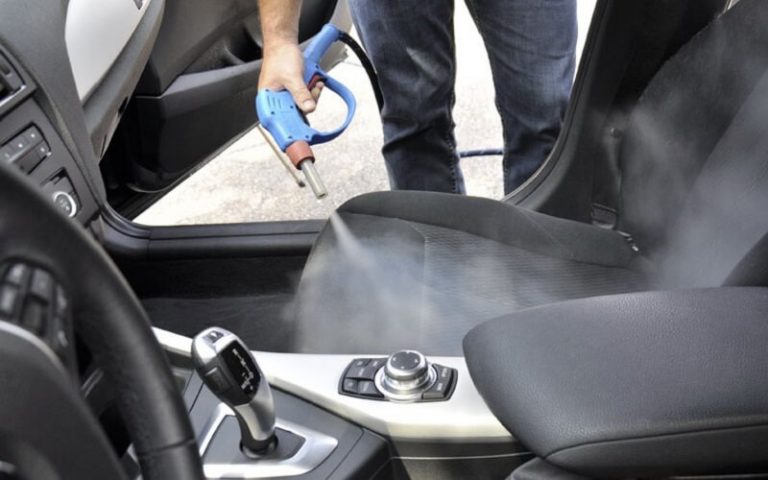
For fabric surfaces like seats and carpets, you may need to use a carpet cleaner or upholstery cleaner in addition to the vinegar solution. Follow the manufacturer's instructions for the carpet cleaner. Apply the cleaner to the affected areas, scrub gently, and then use a wet/dry vacuum to extract the moisture. You can also use a steam cleaner for upholstery, as the high temperature can help kill mold spores. However, be careful not to saturate the fabric, as this can promote further mold growth. If you are uncertain, consult a professional detailer abouthow to clean mold out of carfabrics.
Step 6: Dry the Interior Thoroughly
This is arguably the most important step. Mold thrives in damp environments, so completely drying the car interior is crucial to prevent regrowth. Open all doors and windows to allow for maximum airflow. Use a dehumidifier inside the car to draw out moisture. You can also use fans to circulate air. Leave the car open and drying for at least 24 hours, or longer if possible. Sunlight can also help kill mold, so park the car in direct sunlight if possible. Make sure to run the car's AC with the heat on high for a bit after cleaning to dry out the vents, as that can be a common source of mold growth.
Fact: Mold can double in population in as little as 24 hours in optimal conditions. Thorough drying is key to inhibiting its growth.
Step 7: Deodorize and Prevent Future Mold Growth
After drying the interior, deodorize the car to eliminate any lingering musty odors. Sprinkle baking soda on the carpets and seats, let it sit for several hours, and then vacuum it up. Baking soda is an excellent odor absorber. You can also use air fresheners or odor eliminators designed for cars. To prevent future mold growth, take the following steps:
- Fix any leaks in the car, such as leaky windows or a malfunctioning AC system.
- Clean up spills promptly.
- Ventilate the car regularly, especially after rain or humid weather.
- Use moisture absorbers, such as silica gel packets, in the car to absorb excess moisture.
- Consider using a car cover to protect the car from rain and sun.
Advanced Mold Removal Techniques
If the mold infestation is severe or if you're dealing with a particularly sensitive area, you might need to consider more advanced techniques. These methods are best left to professionals or experienced DIYers, but here's an overview:
Ozone Generators
Ozone generators produce ozone gas, which is a powerful oxidizing agent that can kill mold and eliminate odors. However, ozone is also harmful to humans and animals, so it's important to use ozone generators with caution. Follow the manufacturer's instructions carefully and ensure that the car is completely unoccupied during the treatment. After the treatment, ventilate the car thoroughly before using it.
Professional Detailing Services
If you're unsure about tackling the mold removal yourself, or if the infestation is too severe, consider hiring a professional detailing service that specializes in mold removal. These professionals have the expertise, equipment, and chemicals to effectively remove mold without damaging your car. They can also identify and address the underlying causes of mold growth, preventing future problems.
Mold Bomb Foggers
Mold bomb foggers release a chemical fog that penetrates all areas of the car, killing mold spores on contact. However, these foggers can also be harmful to humans and animals, so it's important to use them with caution. Follow the manufacturer's instructions carefully and ensure that the car is completely unoccupied during the treatment. Ventilate the car thoroughly after the treatment.
Caution: Always prioritize safety when using advanced mold removal techniques. Wear appropriate protective gear and follow all instructions carefully.
Conclusion
Cleaning mold out of your car can seem like a challenging task, but with the right knowledge, tools, and techniques, you can successfully eliminate mold and restore your car to a healthy and comfortable environment. Remember to prioritize safety, identify the source of the mold, and take preventive measures to prevent future growth. By following the steps outlined in this guide, you can enjoy a mold-free car and breathe easy knowing you've taken the necessary steps to protect your health. Now that you knowhow to clean mold out of carinteriors effectively, you can confidently tackle the problem.