Oh no! Chocolate has met your car seat! We've all been there – a rogue piece of candy, a melty ice cream cone, or a forgotten chocolate bar can leave a sticky, messy surprise on your car's interior. Don't panic! Removing chocolate from a car seat might seem daunting, but with the right tools and techniques, you can restore your car seat to its former glory. This guide will walk you through the process step-by-step, ensuring a chocolate-free ride every time. How to Remove Chocolate Stains from Car Seats : A Comprehensive Guide Getting chocolate out of your car seat involves a multi-pronged approach, addressing both the solid residue and the greasy stain it leaves behind. The sooner you tackle the stain, the easier it will be to remove. Remember to always test any cleaning solution on an inconspicuous area of the car seat first to ensure it doesn't damage or discolor the fabric. Step 1: Gather Your Supplies for Chocolate Removal Before you ...
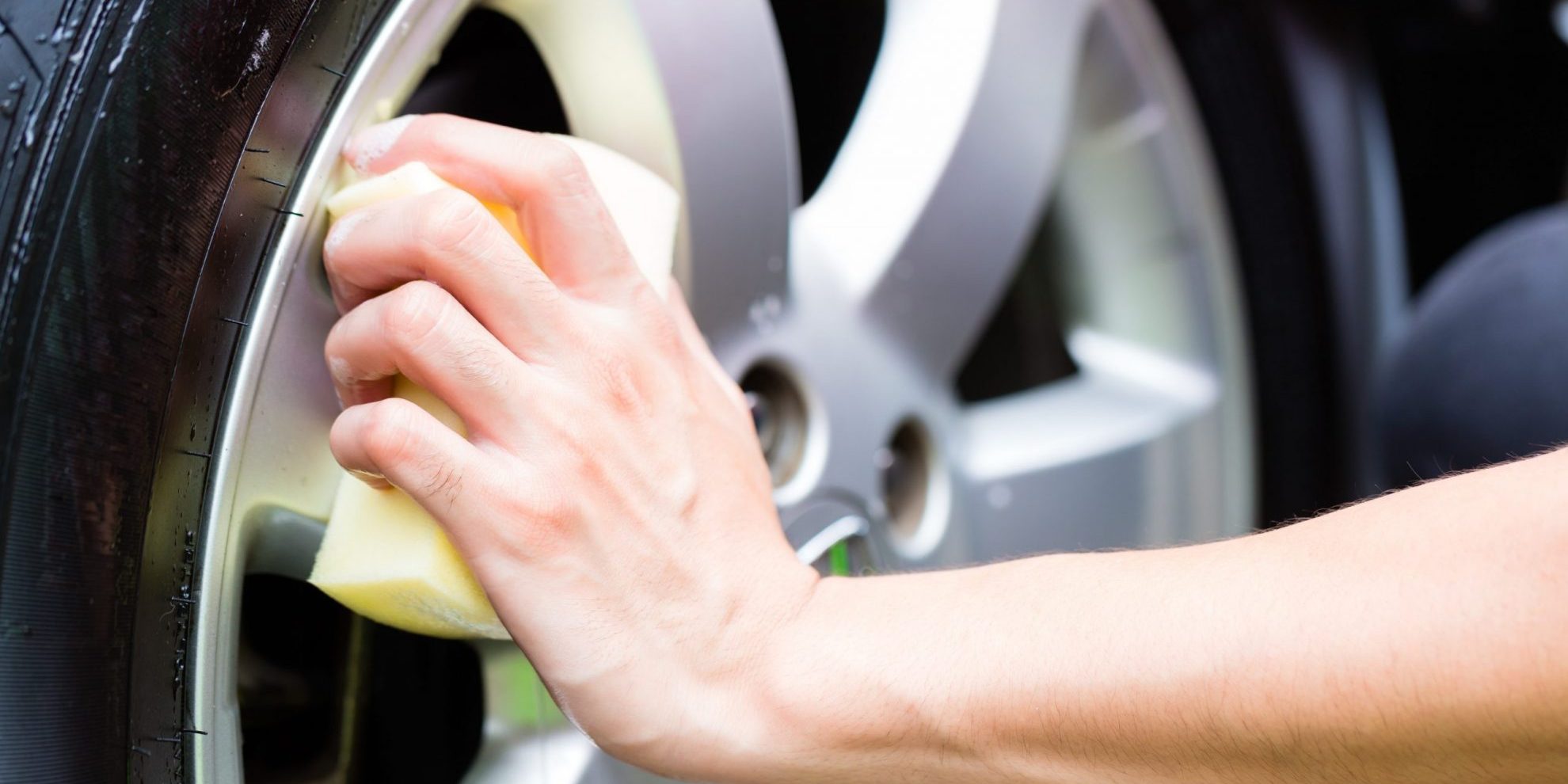
Let's face it: your car's rims are constantly under attack. Road grime, brake dust, salt, and who-knows-what-else conspire to make them look dull and neglected. But fear not! With a little elbow grease and the right techniques, you can restore your rims to their former glory and make your whole car shine. This guide will walk you through the steps on how to properly clean car rims, no matter the type.
The Importance of Regular Car Rim Cleaning
Think of your car's rims as shoes. You wouldn't wear muddy, scuffed-up shoes to a fancy dinner, would you? The same logic applies to your vehicle. Clean rims not only improve the overall appearance of your car, making it look well-maintained and cared for, but they also play a crucial role in protecting your investment. Brake dust, especially, is notorious for being corrosive. Left unchecked, it can eat away at the finish on your rims, leading to pitting, discoloration, and even permanent damage. Regular rim cleaning removes these harmful contaminants, preventing long-term problems and extending the life of your wheels.
Beyond aesthetics and longevity, cleaning your car rims can also improve your car's performance. Brake dust buildup can affect the balance of your wheels, leading to vibrations and uneven wear on your tires. By keeping your rims clean, you're helping to ensure a smoother, safer ride. Here's a quick rundown of why regular rim cleaning is essential:
- Enhances Appearance: Makes your car look cleaner and more appealing.
- Protects Investment: Prevents corrosion and damage from brake dust and road grime.
- Extends Rim Life: Helps your rims last longer.
- Improves Performance: Reduces vibrations and promotes even tire wear.
- Maintains Value: A well-maintained car is worth more.
Gathering Your Car Rim Cleaning Supplies
Before you dive in, it's crucial to have the right tools and cleaning products on hand. Using the wrong products can actually damage your rims, so pay close attention to the recommendations below. Here's a comprehensive list of what you'll need:
- Bucket: A sturdy bucket to hold your cleaning solution.
- Water: A hose with a good nozzle is ideal.
- Wheel Cleaner: Choose a wheel cleaner specifically designed for your type of rims. Different rims require different cleaners! More on that later.
- Wheel Brush: A soft-bristled wheel brush is essential for scrubbing away grime. Look for one with a long handle for reaching into tight spaces.
- Detail Brush: A smaller detail brush (like an old toothbrush) is perfect for cleaning lug nuts and other intricate areas.
- Microfiber Towels: Soft microfiber towels are ideal for drying your rims without scratching them.
- Gloves: Protect your hands from harsh chemicals.
- Eye Protection: Safety first! Wear eye protection to prevent splashes.
Important Note on Wheel Cleaners: Not all wheel cleaners are created equal. Acid-based cleaners are highly effective at removing brake dust, but they can also damage certain types of rims, especially those with delicate finishes. Always check the manufacturer's recommendations and choose a cleaner that's specifically formulated for your rim type (e.g., aluminum, chrome, painted, powder-coated). When in doubt, opt for a p H-neutral cleaner, which is gentler but still effective. Always test any cleaner on a small, inconspicuous area of the rim before applying it to the entire wheel.
Step-by-Step Guide: How To Clean Car Rims Like a Pro
Now that you've gathered your supplies, let's get down to the nitty-gritty of cleaning your car rims. Follow these steps for a sparkling clean finish:
Step 1: Pre-Rinse the Rims
Before applying any cleaner, thoroughly rinse your rims with water to remove loose dirt and debris. This will prevent you from simply grinding the dirt into the finish when you start scrubbing.
Step 2: Apply Wheel Cleaner
Following the instructions on your chosen wheel cleaner, apply it liberally to the rims. Make sure to coat all surfaces, including the crevices and lug nuts. Let the cleaner dwell for the recommended time (usually a few minutes), but don't let it dry on the surface.
Step 3: Scrub the Rims
Using your wheel brush, scrub the rims thoroughly to loosen dirt and brake dust. Pay close attention to areas with heavy buildup. Use the detail brush to clean the lug nuts and other hard-to-reach spots.
Step 4: Rinse Thoroughly
Rinse the rims thoroughly with water to remove all traces of the cleaner and loosened grime. Make sure to rinse from top to bottom to prevent streaking.
Step 5: Dry the Rims
Using a clean, dry microfiber towel, dry the rims completely. This will prevent water spots and streaks from forming. You can also use a leaf blower or compressed air to speed up the drying process.
Step 6: Apply Wheel Protectant (Optional)
For added protection and shine, consider applying a wheel protectant or sealant. These products create a barrier that helps repel brake dust and road grime, making future cleaning easier. Follow the instructions on the product label.
Different Types of Rims and How to Clean Them
As mentioned earlier, different types of rims require different cleaning approaches. Here's a breakdown of common rim types and specific considerations for each:
- Aluminum Rims: Aluminum rims are relatively easy to clean. Use a p H-neutral wheel cleaner and avoid harsh chemicals that can etch the finish.
- Chrome Rims: Chrome rims are prone to water spots and rust. Use a chrome-specific cleaner and polish to maintain their shine. Be sure to dry them thoroughly after cleaning.
- Painted Rims: Painted rims require a gentle touch. Use a p H-neutral wheel cleaner and avoid abrasive brushes that can scratch the paint.
- Powder-Coated Rims: Powder-coated rims are durable and easy to maintain. Use a p H-neutral wheel cleaner and avoid harsh chemicals that can dull the finish.
Case Study: The Perils of Neglect
Consider this scenario: A car owner consistently neglects cleaning their car rims, particularly those finished in a delicate powder coat. Brake dust, a byproduct of friction in the braking system, is highly abrasive and contains metallic particles. Over time, this dust adheres to the rim's surface and, when exposed to moisture (rain, humidity), undergoes a chemical reaction. This reaction creates an acidic environment that slowly corrodes the powder coating. What starts as a dull film eventually evolves into permanent pitting and discoloration, requiring costly refinishing or even replacement of the rims. Regular cleaning, especially with p H-neutral cleaners, can prevent this damage and maintain the pristine condition of the rims.
Tips and Tricks for Keeping Your Car Rims Sparkling
Here are a few extra tips and tricks to help you keep your car rims looking their best:
- Clean Your Rims Regularly: The more often you clean your rims, the easier it will be to remove dirt and grime. Aim to clean them at least once a month, or more often if you drive in harsh conditions.
- Use a Dedicated Wheel Washing Mitt: If you hand wash your car, use a separate washing mitt for your wheels to prevent transferring dirt and grime from your car's body to the rims.
- Consider Ceramic Coating: A ceramic coating provides long-lasting protection against brake dust and road grime, making cleaning even easier.
- Park Smart: Whenever possible, park in covered areas to protect your rims from the elements.
- Clean Spills Immediately: If you spill any liquids on your rims, clean them up immediately to prevent staining.
Cleaning your car rims is a simple but effective way to improve the appearance and longevity of your vehicle. By following these steps and tips, you can keep your rims looking sparkling clean for years to come. With a little effort and the right products, your rims will thank you.