Oh no! Chocolate has met your car seat! We've all been there – a rogue piece of candy, a melty ice cream cone, or a forgotten chocolate bar can leave a sticky, messy surprise on your car's interior. Don't panic! Removing chocolate from a car seat might seem daunting, but with the right tools and techniques, you can restore your car seat to its former glory. This guide will walk you through the process step-by-step, ensuring a chocolate-free ride every time. How to Remove Chocolate Stains from Car Seats : A Comprehensive Guide Getting chocolate out of your car seat involves a multi-pronged approach, addressing both the solid residue and the greasy stain it leaves behind. The sooner you tackle the stain, the easier it will be to remove. Remember to always test any cleaning solution on an inconspicuous area of the car seat first to ensure it doesn't damage or discolor the fabric. Step 1: Gather Your Supplies for Chocolate Removal Before you ...
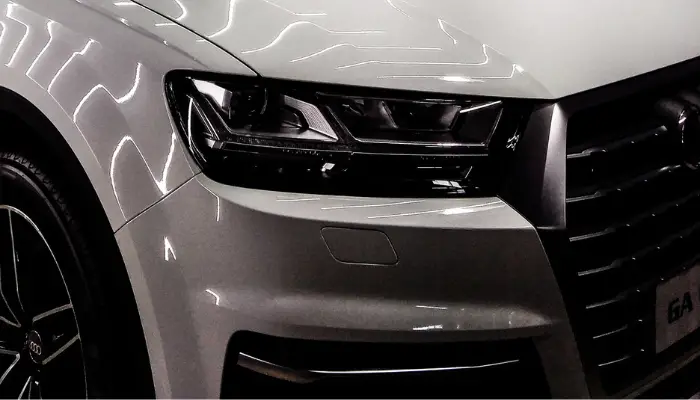
Your car is more than just a way to get from point A to point B. It's an investment, a reflection of your personal style, and something you probably want to keep looking its best. One of the most effective ways to protect that paint job and maintain that showroom shine is by waxing your car. But how often should you actually be reaching for that wax and applicator pad? Let's dive into the world of car care and uncover the sweet spot for waxing frequency.
Factors Influencing How Frequently You Need To Wax Your Car
Determining the optimal car waxing frequency isn't a one-size-fits-all answer. Several factors come into play that will influence how often you should be applying a fresh coat of wax. Understanding these elements will help you create a car care routine that perfectly suits your vehicle and your lifestyle.
Climate and Environmental Conditions
Where you live and the conditions your car is exposed to daily have a significant impact on how often you need to wax it. Harsh climates, whether extremely hot and sunny or cold and snowy, can accelerate the degradation of your car's wax coating.
- Sun Exposure: Constant exposure to UV rays can break down the wax, leading to fading and oxidation of the paint.
- Salt and Road De-icers: If you live in an area where roads are salted during the winter, the salt and de-icing chemicals can be highly corrosive and strip away the wax protection.
- Rain and Humidity: Acid rain and high humidity can also contribute to the breakdown of the wax and cause water spots on the paint.
In areas with these harsh conditions, you might need to wax your car more frequently, possibly every 2-3 months, to maintain adequate protection. Conversely, if you live in a milder climate with less exposure to these elements, you might be able to stretch it out to every 4-6 months.
Type of Wax Used
The type of wax you choose also plays a crucial role in determining waxing frequency. Different waxes offer varying levels of durability and protection.
- Carnauba Wax: Known for its deep shine, carnauba wax typically lasts for about 6-8 weeks. It's a natural wax that provides excellent gloss but needs more frequent application.
- Synthetic Wax: Synthetic waxes, also known as paint sealants, are designed for longer-lasting protection, often lasting for 4-6 months. They offer better resistance to UV rays and environmental contaminants.
- Ceramic Coatings: While not technically a wax, ceramic coatings offer the highest level of protection and can last for several years. They are more expensive and require professional application, but the longevity is unmatched.
If you opt for a carnauba wax, expect to wax more often. With synthetic waxes and paint sealants, you can extend the intervals between applications. Here is a quick comparison table of wax types:
| Wax Type | Durability | Shine | Cost | Application Frequency |
|---|---|---|---|---|
| ----------------- | ------------------ | ------------- | -------------- | ----------------------- |
| Carnauba Wax | 6-8 weeks | High | Moderate | Every 1-2 months |
| Synthetic Wax | 4-6 months | Good | Moderate | Every 4-6 months |
| Ceramic Coating | Several Years | Excellent | High | As needed, yearly inspection |
Driving and Storage Habits
How you drive and where you store your car also impact the lifespan of your wax. A car that's garaged and driven primarily on clean roads will need waxing less frequently than one that's constantly exposed to the elements and driven on gravel roads.
Here are some scenarios to consider:
- Garaged vs. Outdoor Parking: A car stored in a garage is shielded from the sun, rain, and other environmental contaminants, which extends the life of the wax.
- Highway vs. City Driving: Highway driving can expose your car to more debris and road grime, which can wear down the wax faster.
- Off-Roading: Frequent off-roading can expose your car to mud, dirt, and scratches, requiring more frequent waxing to protect the paint.
If your car spends most of its time outdoors or endures harsh driving conditions, consider waxing it more often, perhaps every 3-4 months.
How To Tell When Your Car Needs Waxing
Beyond time-based recommendations, there are telltale signs that indicate your car's wax coating is wearing thin and needs attention. Paying attention to these signs will help you proactively maintain your car's protection.
The Water Beading Test
This is the most common and reliable way to determine if your car needs waxing. After washing your car, observe how the water behaves on the paint surface. If the water beads up tightly and rolls off easily, the wax is still providing good protection. If the water sheets off or flattens out, the wax is likely gone and it's time to reapply.
Here's how to perform the water beading test:
- Wash your car thoroughly.
- Rinse the car completely with clean water.
- Observe the water droplets on the paint surface.
- If the water beads up tightly and rolls off easily, the wax is still effective.
- If the water sheets off or flattens out, it's time to wax.
Visual Inspection for Oxidation
Oxidation is the process where your car's paint reacts with oxygen, leading to a dull, faded appearance. A good wax coating helps prevent oxidation. If you notice that your car's paint is starting to look dull or hazy, it's a sign that the wax is no longer providing adequate protection and needs to be reapplied.
To check for oxidation, look for these signs:
- Faded or Dull Paint: The paint loses its vibrancy and looks less shiny.
- Chalky Residue: If you rub your hand across the paint and notice a chalky residue, it's a sign of oxidation.
- Increased Difficulty Washing: It becomes harder to remove dirt and grime from the paint.
Feeling the Paint Surface
Another way to assess the need for waxing is to feel the paint surface. A properly waxed car will have a smooth, slick feel. If the paint feels rough or gritty, it's an indication that the wax has worn off, and contaminants are directly contacting the paint.
To test the paint surface:
- Wash your car thoroughly.
- Dry the car completely.
- Run your hand across the paint surface.
- If the paint feels smooth and slick, the wax is still effective.
- If the paint feels rough or gritty, it's time to wax.
Recommended Car Waxing Schedules Based on Different Factors
Based on the factors discussed above, here are some recommended car waxing schedules to help you determine the best frequency for your specific situation.
For Cars in Harsh Climates (Hot Sun, Snow, Salt)
In regions with intense sun exposure, snow, salt, or frequent rain, a more frequent waxing schedule is essential to protect your car's paint.
- Carnauba Wax: Every 1-2 months
- Synthetic Wax: Every 3-4 months
- Ceramic Coating: Yearly inspection and maintenance
For Cars in Mild Climates (Moderate Weather, Garaged)
If you live in a milder climate and your car is typically garaged, you can extend the intervals between waxing.
- Carnauba Wax: Every 2-3 months
- Synthetic Wax: Every 4-6 months
- Ceramic Coating: Every 2-3 years inspection and maintenance
For Daily Drivers (Exposed to the Elements)
Cars that are driven daily and exposed to various weather conditions and road contaminants require a more regular waxing schedule.
- Carnauba Wax: Every 1-2 months
- Synthetic Wax: Every 3-4 months
- Ceramic Coating: Yearly inspection and maintenance
For Show Cars or Weekend Drivers (Well-Maintained)
If you have a show car or a weekend driver that's meticulously maintained, you can adjust the waxing schedule based on its limited exposure to the elements.
- Carnauba Wax: Every 2-3 months (primarily for shine before shows)
- Synthetic Wax: Every 4-6 months
- Ceramic Coating: Every 3-5 years inspection and maintenance
Tips for Extending the Life of Your Car Wax
Beyond frequent waxing, there are several steps you can take to extend the life of your wax coating and keep your car looking its best.
Regular Washing
Washing your car regularly removes dirt, grime, and contaminants that can degrade the wax. Aim to wash your car at least every two weeks, or more frequently if it's exposed to harsh conditions.
Use p H-Neutral Car Wash Soap
Using a p H-neutral car wash soap is crucial because it's gentle on the wax coating. Harsh detergents can strip away the wax and reduce its effectiveness.
Avoid Automatic Car Washes with Brushes
Automatic car washes with brushes can scratch your paint and damage the wax coating. Opt for touchless car washes or hand washing whenever possible.
Apply a Quick Detailer
A quick detailer can help boost the shine and protection of your wax coating between regular waxing sessions. Apply it after washing your car to add an extra layer of protection and enhance the gloss.
Park in the Shade or Use a Car Cover
Parking in the shade or using a car cover can protect your car from the sun's harmful UV rays and other environmental contaminants, helping to extend the life of your wax.
Conclusion on How Often To Wax A Car
So, how often should you wax your car? The answer, as you've seen, depends on a variety of factors. By considering your climate, the type of wax you use, your driving habits, and carefully observing your car's condition, you can create a car care routine that keeps your vehicle protected and looking its absolute best. Don't just guess – be proactive, pay attention, and your car will thank you with a long-lasting shine!