Oh no! Chocolate has met your car seat! We've all been there – a rogue piece of candy, a melty ice cream cone, or a forgotten chocolate bar can leave a sticky, messy surprise on your car's interior. Don't panic! Removing chocolate from a car seat might seem daunting, but with the right tools and techniques, you can restore your car seat to its former glory. This guide will walk you through the process step-by-step, ensuring a chocolate-free ride every time. How to Remove Chocolate Stains from Car Seats : A Comprehensive Guide Getting chocolate out of your car seat involves a multi-pronged approach, addressing both the solid residue and the greasy stain it leaves behind. The sooner you tackle the stain, the easier it will be to remove. Remember to always test any cleaning solution on an inconspicuous area of the car seat first to ensure it doesn't damage or discolor the fabric. Step 1: Gather Your Supplies for Chocolate Removal Before you ...
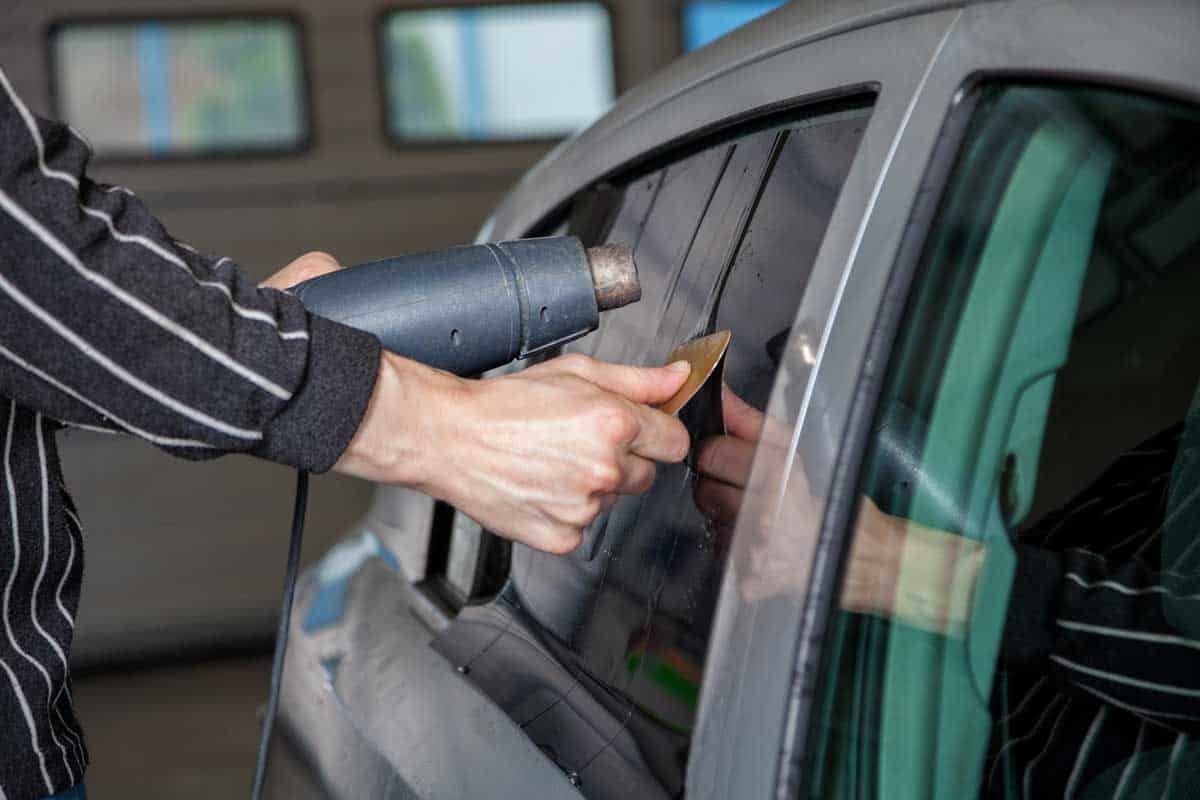
Thinking about adding some sleek, tinted windows to your car? It's a great way to boost your car's style, increase privacy, and even protect your interior from the harsh sun. But before you race off to the nearest tint shop, a big question probably pops into your head: "How much will it cost to tint my car windows?" Let's break down the factors that influence the price and help you estimate the cost of your car window tinting project.
What Factors Affect Car Window Tint Prices?
Several key elements determine the final price you'll pay to tint your car windows. It's not just a flat fee; it's a combination of choices you make and the specifics of your vehicle. Let's delve into each of these aspects.
Type of Tint Film
The type of film you choose is one of the most significant price drivers. There's a wide range of options available, each offering different benefits and, consequently, different price points. Here's a look at some common types:
- Dyed Film: This is the most basic and budget-friendly option. It blocks light primarily by absorbing it. However, dyed film doesn't reject heat effectively and tends to fade over time.
- Metalized Film: Metalized film incorporates tiny metallic particles that reflect sunlight. This makes it better at heat rejection than dyed film and also offers increased scratch resistance. However, it can sometimes interfere with radio signals.
- Carbon Film: Carbon film uses carbon particles to block heat and UV rays. It offers good heat rejection without the signal interference associated with metalized films. It also has a stylish matte finish.
- Ceramic Film: Ceramic film is the premium option, utilizing advanced ceramic technology for superior heat rejection, UV protection, and glare reduction. It's the most expensive choice but offers the best performance and longevity.
- Crystalline Film: Similar to ceramic film, crystalline film also offers excellent heat and UV rejection but does so in a nearly clear or very light shade. If you want the benefits of tint without a dark appearance, this is a great option, although it is generally the most expensive film.
To illustrate the difference in cost, consider this: a basic dyed film might cost $100-$200 for a complete car window tint, while a high-quality ceramic film could easily range from $400-$800 or even more.
Car Size and Type
The size and type of your vehicle directly impact the amount of film needed and the complexity of the installation. Larger vehicles, like SUVs and vans, naturally require more film, which translates to a higher cost. Additionally, certain car models have unique window shapes or curves that make installation more challenging, potentially increasing labor costs.
Consider a two-door coupe versus a four-door sedan. The coupe has fewer windows, potentially smaller windows, and may be easier to work on, leading to a lower price. The sedan, with its larger surface area and more complex window shapes, will likely be more expensive. The same applies to comparing a compact car to a full-size SUV.
Local Labor Rates
Labor rates vary significantly from region to region and even from shop to shop within the same area. Areas with a higher cost of living generally have higher labor rates. Experienced and reputable tint shops will typically charge more than less established ones. It's always a good idea to get quotes from several different shops to compare prices and services.
For example, a tint shop in a bustling city center with high overhead costs will likely charge more than a shop in a rural area with lower operating expenses. Consider this factor when budgeting for your car window tinting.
Number of Windows Tinted
This one seems obvious, but it's worth mentioning. Are you tinting all the windows (excluding the windshield, which is often illegal) or just the rear windows for privacy? The more windows you tint, the higher the total cost will be. Some shops offer package deals that include all windows at a discounted rate, so be sure to inquire about those options.
Also, keep in mind that some areas have regulations regarding the darkness of the tint allowed on different windows. Front side windows, for example, typically have stricter limits than rear windows. Make sure you understand the local laws before deciding which windows to tint.
Shop Reputation and Warranty
Choosing a reputable tint shop with a solid warranty is crucial. A shop with skilled installers and high-quality materials might charge a bit more upfront, but it can save you money in the long run by ensuring a flawless installation that lasts for years. A good warranty will protect you against defects in the film or installation issues, such as bubbling or peeling. A shop with a bad reputation and cheap materials might leave you with an unprofessional installation and a voided warranty if issues arise in the future.
Here's a quick checklist for choosing a tint shop:
- Read online reviews on sites like Google, Yelp, and Facebook.
- Ask for recommendations from friends, family, or online car forums.
- Check for certifications from reputable organizations.
- Inquire about the warranty offered on the film and installation.
- Ask to see examples of their previous work.
Average Car Window Tint Cost
Alright, let's get down to brass tacks. While the exact cost of how much it willcost to tint windows car depends on the factors discussed above, here's a general price range to give you a better idea:
Full Car Tint (All windows except windshield):
- Dyed Film: $100 - $250
- Metalized Film: $150 - $350
- Carbon Film: $250 - $500
- Ceramic Film: $400 - $800+
- Crystalline Film: $500 - $1000+
Individual Windows: Expect to pay around $50-$150 per window, depending on the size, complexity, and film type.
How Much To Tint Front Windows Only
Tinting just the front windows of your car can be a good option if you're looking to enhance privacy and reduce glare without darkening the rear windows. The*cost to tint windows car, specifically just the front windows, will depend on the same factors that affect the overall tinting price, but you'll only be paying for two windows (typically). The price range usually falls between $100-$300+, depending on the type of film you choose.
Factors Affecting the Cost to Tint Car Windows
As previously discussed, numerous elements influence the overall expense of tinting your car windows. This is why it is important to be aware of these aspects before heading to get a quote.
Here is a quick reminder list of the main elements that contribute tocost to tint car windows:
- Type of Tint Film
- Car Size and Type
- Local Labor Rates
- Number of Windows Tinted
- Shop Reputation and Warranty
Getting the Best Value for Your Money
To ensure you get the best possible value when tinting your car windows, keep these tips in mind:
- Get Multiple Quotes: Don't settle for the first quote you receive. Contact several different tint shops and compare their prices, services, and warranties.
- Read Reviews: Online reviews can provide valuable insights into the quality of work and customer service offered by different shops.
- Consider the Long-Term Cost: While a cheaper film might seem appealing upfront, it could fade or deteriorate more quickly, requiring you to replace it sooner. Investing in a higher-quality film like ceramic or crystalline can save you money in the long run.
- Ask About Packages: Some shops offer package deals that include all windows at a discounted rate.
- Understand the Warranty: Make sure you understand the terms and conditions of the warranty offered by the tint shop.
Finally, don't be afraid to ask questions! A reputable tint shop will be happy to answer your questions and help you choose the best film and service for your needs and budget.
Conclusion
Tinting your car windows is an investment that can enhance its appearance, increase privacy, and improve your driving experience. Understanding the factors that influence the cost can help you make an informed decision and get the best value for your money. By researching different film types, comparing quotes from reputable shops, and considering the long-term benefits, you can enjoy the benefits of tinted windows for years to come.